| 1 | Indoor Fine-Pitch Direct-View LED | Control rooms, conference spaces, retail interiors, museums and broadcast studios | 600–1,200 nits | 180–300 W/m² | 657–1,095 kWh/m² | Install away from direct sunlight; use ambient-light sensors and automatic brightness scheduling; provide adequate airflow around cabinets. | Keep ventilation paths clear, replace failed modules promptly and calibrate brightness uniformly to avoid overdriving individual areas. |
| 2 | Indoor COB LED Display | Premium meeting rooms, command centers, education facilities and close-view installations | 500–1,000 nits | 160–260 W/m² | 584–949 kWh/m² | Use the lowest brightness that meets viewing requirements; install with controlled room lighting and correctly sized power supplies. | Clean filters and ventilation areas, monitor cabinet temperature and maintain consistent calibration to prevent unnecessary brightness increases. |
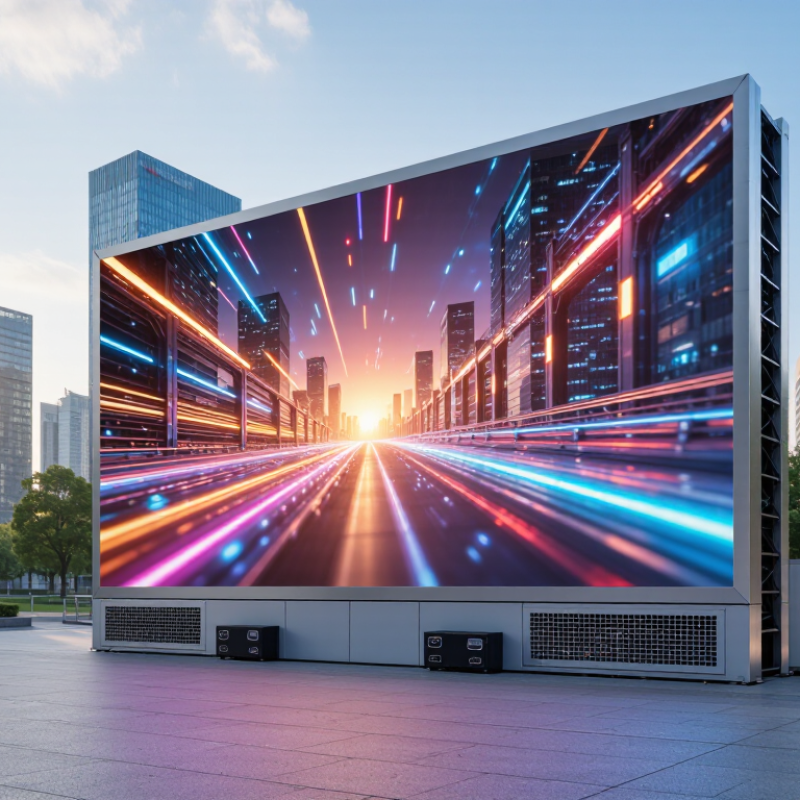
| 3 | High-Efficiency Outdoor SMD LED | Roadside advertising, transport hubs, stadiums and large public information displays | 5,000–7,000 nits | 250–450 W/m² | 913–1,643 kWh/m² | Orient the display to reduce direct solar reflection; specify automatic brightness control, efficient power supplies and sectional power distribution. | Wash off dust and salt deposits, inspect cooling fans and surge protection, and verify that nighttime dimming operates correctly. |
| 4 | Outdoor Common-Cathode LED Display | Permanent outdoor signage, commercial façades and public-area messaging | 5,000–6,500 nits | 220–400 W/m² | 803–1,460 kWh/m² | Use independent color-channel power management, install a light sensor and select a weather-rated enclosure with sufficient thermal clearance. | Check power distribution terminals, remove blocked airflow, test dimming profiles and replace damaged waterproof seals before moisture enters cabinets. |
| 5 | Outdoor Rental LED Display | Concerts, exhibitions, sporting events and temporary international installations | 4,500–6,000 nits | 250–450 W/m² | 913–1,643 kWh/m² | Use lightweight cabinets with efficient power distribution; plan cable runs to minimize voltage drop and shut down unused sections between events. | Inspect connectors, module locks, power cables and protective covers after every deployment; repair loose connections that can create heat and electrical loss. |
| 6 | Transparent LED Display | Glass façades, retail windows, airports and architectural installations where daylight transmission is needed | 3,500–5,500 nits | 180–350 W/m² | 657–1,278 kWh/m² | Use the minimum pixel density and brightness required for viewing distance; preserve natural daylight transmission to reduce indoor lighting demand. | Clean LED strips and control boxes without obstructing ventilation; inspect mounting points and connectors for dust, vibration and moisture exposure. |
| 7 | Low-Brightness Outdoor Information Display | Campus signs, municipal notices, parking guidance and covered transport areas | 2,500–4,000 nits | 140–280 W/m² | 511–1,022 kWh/m² | Choose brightness according to actual ambient conditions rather than maximum sunlight; use scheduled operating hours and automatic sleep mode. | Keep the front surface clean, check ambient-light sensors and maintain accurate time schedules so the display does not run at full brightness unnecessarily. |