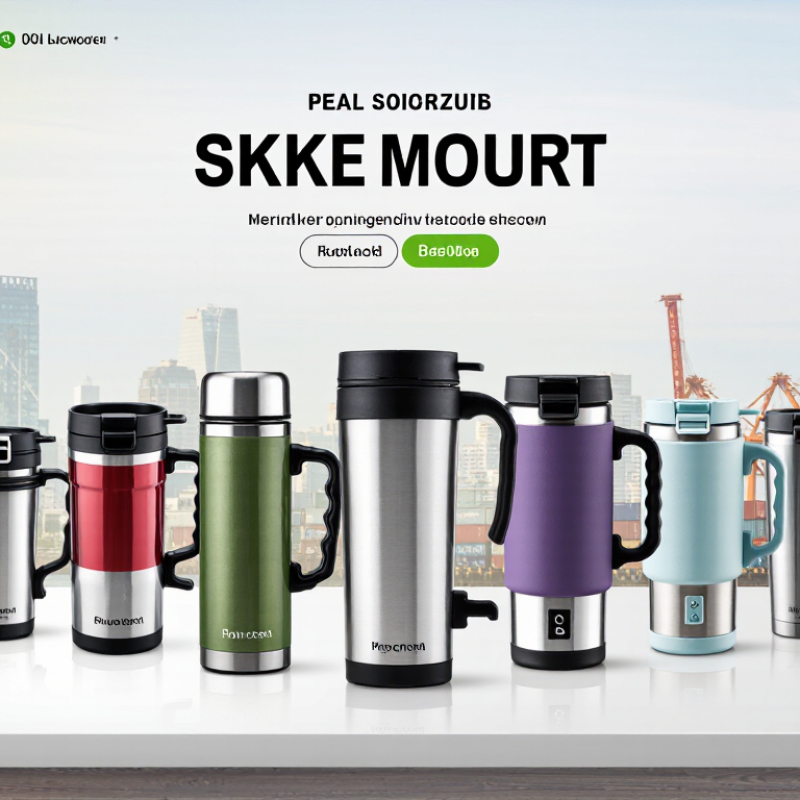
The global drinkware market is changing from disposable convenience toward durable, reusable products. Grand View Research estimates that the global reusable water bottle market reached approximately USD 8.3 billion in 2023. Its report also projects steady growth through 2030. This shift creates practical opportunities for buyers seeking reliable Vacuum Mug suppliers in 2026. Yet market growth alone does not prove supplier quality.
This guide evaluates seven suppliers for international purchasing teams. The review considers vacuum performance, stainless steel grades, leak resistance, customization, production capacity, certifications, and export experience. These details matter when a mug travels from a factory line to a retail shelf, office desk, or outdoor backpack. A weak lid can damage an entire shipment’s reputation. A poor coating may fail after repeated washing.
The International Trade Centre highlights the importance of transparent trade data when comparing global manufacturing markets. Meanwhile, reports from Mordor Intelligence identify sustainability and reusable packaging as continuing influences across consumer goods. These findings support careful supplier selection, not automatic trust. The shortlist is useful, but it is not flawless. Supplier capabilities can change quickly, especially with pricing, lead times, and material availability. Buyers should verify factory records, test samples, and review current compliance documents before signing contracts. A polished catalog proves little. The best Vacuum Mug supplier should deliver consistent performance, clear communication, and measurable quality across repeated orders.
A reliable vacuum mug supplier in 2026 must prove performance beyond polished product photos. In buyer audits, I look for repeatable vacuum retention tests, leak checks, and documented production controls. A mug may look perfect on a sample table, yet fail after repeated washing. That gap matters.
Material traceability is equally important. Suppliers should identify steel grades, coating processes, lid components, and food-contact test records. Clear batch numbers make quality problems easier to investigate. Strong suppliers also explain their real production capacity, not just their maximum monthly output. Sample approval should include drop testing, temperature checks, odor inspection, and overnight leakage tests. Small details expose weak processes.
Communication reveals operational maturity. Reliable teams answer technical questions directly, provide realistic lead times, and report defects instead of hiding them. Packaging should protect individual mugs from scratches and crushed cartons during international transport. I also examine factory photos, inspection reports, and corrective-action records. These documents are useful, but they are not absolute proof.
No supplier is flawless. I have seen good factories miss a packing detail during busy seasons. That is why backup plans, inspection points, and written specifications remain necessary. A lower price can be attractive, but unstable quality creates more expensive returns. The strongest supplier is not always the largest one. It is the partner that can demonstrate consistent results, accept scrutiny, and improve when evidence shows a weakness.