China Best Wireless Headphones With Mic Suppliers

Choosing China’s best wireless headphones with mic suppliers requires more than comparing factory prices. Buyers need reliable sound, stable Bluetooth performance, clear voice pickup, and consistent production quality. A polished product photo proves very little.

Dr. Sean Olive, an acoustic researcher and headphone specialist, has said, “A good headphone should sound like a good loudspeaker in a good room.” That principle remains useful when evaluating wireless headphones with mic. Suppliers should explain driver design, microphone placement, codec support, battery capacity, charging behavior, and noise-control performance. Ask for samples. Test calls in a busy street, not only inside a quiet office. Listen for wind noise, delayed speech, harsh treble, and unstable connections.

Small details matter.

A dependable supplier should also provide transparent quality procedures, traceable materials, and relevant compliance documentation for the target market. Factory audits, production samples, and pre-shipment inspections can reduce avoidable surprises. Still, no supplier is perfect. Even a strong manufacturer may struggle with one model’s hinge, microphone tuning, or firmware stability. That weakness should be recorded, discussed, and corrected before a large order.

This guide examines China-based suppliers through an experience-led and practical lens. It considers manufacturing capability, customization, communication, testing discipline, minimum order quantities, and after-sales support. Price remains important, but the cheapest quotation can become expensive after returns and customer complaints. The better question is simple: Can this supplier deliver the same clear, comfortable, dependable headset repeatedly?

China Best Wireless Headphones With Mic Suppliers

Wireless Headphones With Mic: Product Definition and Core Features

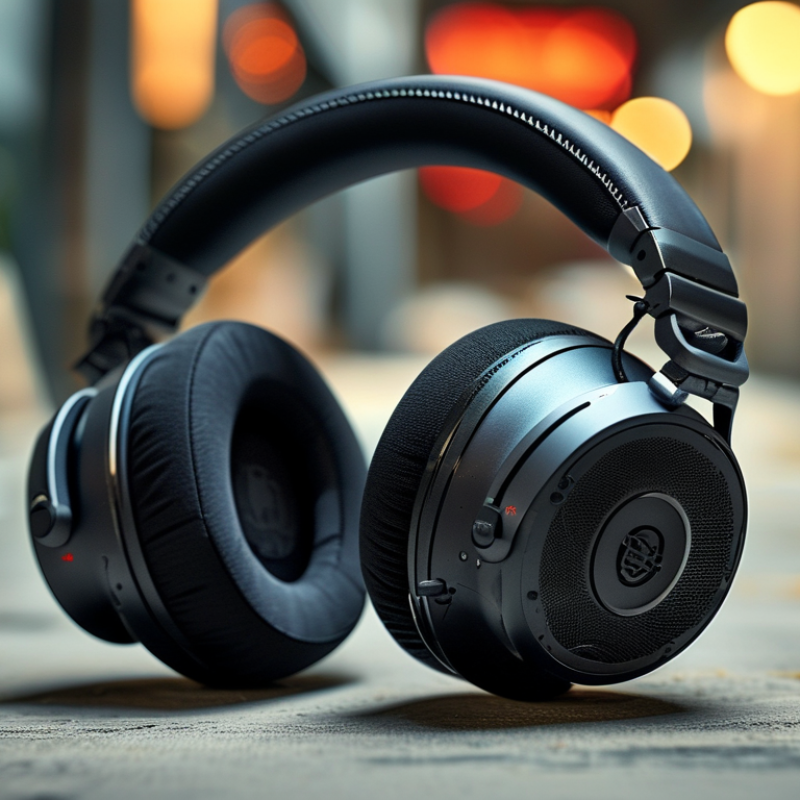
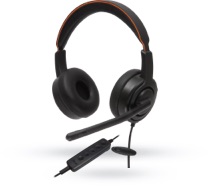
Wireless headphones with a microphone are portable audio devices designed for listening and two-way communication. They transmit sound without a cable, usually through Bluetooth or a dedicated USB receiver. The microphone supports calls, online meetings, voice notes, and in-game communication. A practical design combines two earcups, a headband, a rechargeable battery, and physical or touch controls. The headset should remain stable when the user turns their head. That sounds simple. It is not.

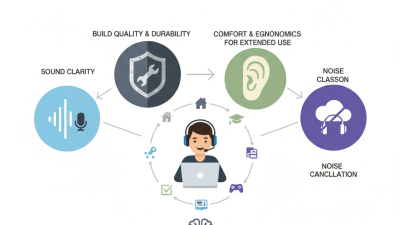
Core performance begins with clear voice capture. A boom microphone positioned near the mouth often performs better in noisy rooms than a tiny built-in microphone. Some models use environmental noise reduction to lower background sounds during calls. This differs from active noise cancellation, which reduces noise heard by the wearer. Buyers should check battery life with audio and microphone functions active. A claimed 40-hour battery may fall sharply at high volume or with extra processing enabled. Charging through a common connector is convenient, but the cable should not feel fragile.

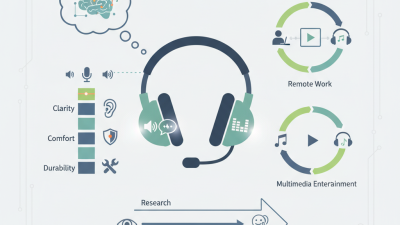
Comfort requires more than soft padding. Suppliers should examine clamp pressure, earcup heat, hinge strength, and button feedback during repeated testing. A reliable sample should reconnect quickly, maintain stable audio in a busy office, and avoid obvious microphone hiss. Latency matters for video and games, so testing should compare speech, picture, and sound together. Specification sheets are useful, but they cannot reveal every weakness. A headset can look excellent and still feel tiring after one hour. That limitation deserves honest attention. For sourcing, request samples, test multiple units, and verify wireless and battery claims before larger orders.

China Best Wireless Headphones With Mic Suppliers - Wireless Headphones With Mic: Product Definition and Core Features

A practical overview of the product definition, technical specifications, user functions, and quality considerations for wireless headphones with an integrated microphone.

Data Dimension Product Definition Common Specification or Range Core Feature Practical Value
Product Type Wireless headphones with a built-in microphone transmit audio without a wired connection to the playback device. Over-ear, on-ear, or lightweight headset designs Integrated audio output and voice input Suitable for music, calls, online meetings, gaming, study, and travel.
Wireless Technology Short-range radio technology connects the headphones with compatible phones, computers, tablets, televisions, or other devices. Bluetooth wireless connection; supported version depends on the product design Pairing, reconnection, and device switching Provides cable-free use and convenient movement within the normal wireless range.
Wireless Range The approximate distance at which the headphones can maintain a stable connection in an open indoor environment. Typically up to about 10 m under suitable conditions Stable audio transmission within the rated range Allows users to move away from a desk or connected device without carrying it.
Microphone System A built-in microphone captures the user’s voice for calls, conferencing, voice messages, and voice control. Single or multiple digital microphone design Voice pickup with echo and environmental-noise reduction on selected models Improves communication clarity in offices, homes, classrooms, and public spaces.
Microphone Position The microphone may be integrated into the earcup or placed on a short adjustable boom. Built-in microphone or foldable boom microphone Flexible voice pickup and convenient storage A boom design can position the microphone closer to the mouth, while an integrated design is more compact.
Audio Drivers Drivers convert electrical signals into audible sound through the headphone speakers. Dynamic drivers are commonly used; size varies by design Balanced reproduction of vocals, music, and communication audio Driver tuning influences bass response, vocal clarity, detail, and listening comfort.
Active Noise Cancellation Active noise cancellation uses microphones and electronic signal processing to reduce selected surrounding sounds. Available on some models; performance varies by environment and design Reduction of continuous low-frequency noise Can improve listening comfort on aircraft, trains, and busy indoor spaces.
Passive Noise Isolation Ear cushions and the physical headphone structure block part of the surrounding sound without electronic processing. Depends on earcup seal, cushion material, and wearing style Physical separation from external noise Supports clearer listening and reduces the need for high playback volume.
Battery Capacity A rechargeable battery supplies power for wireless audio, microphone operation, and other electronic functions. Capacity varies by model and enclosure size Rechargeable lithium-based battery system Determines operating time, charging frequency, and suitability for travel or extended work sessions.
Playback Time Playback time describes how long the headphones can operate before the battery requires recharging. Often approximately 15–60 hours, depending on features and usage conditions Long-use battery performance Longer runtime reduces interruptions during work, commuting, study, and travel.
Charging Interface The charging interface transfers electrical power from a charger or computer to the internal battery. USB charging connection; connector type depends on the product generation Rechargeable operation and charging-status indication Standardized charging accessories can simplify daily use and inventory management.
Fast Charging Fast charging provides additional operating time after a relatively short charging period. Available on selected models; actual results depend on battery and charging design Short-charge convenience Useful when users need quick power before a meeting, journey, or call.
Wired Backup Mode Some wireless headphones can receive audio through a detachable cable when wireless power is unavailable. 3.5 mm audio connection on compatible designs Optional wired listening Maintains compatibility with selected devices and provides an alternative during low battery.
Controls Physical buttons or touch controls allow users to manage audio and calls without accessing the connected device. Power, volume, play/pause, track, call, and voice-assistant controls On-headset operation Improves convenience during commuting, exercise, work, and hands-free calling.
Call Management Call-management functions connect the headphones with supported communication applications and mobile calls. Answer, end, reject, mute, and transfer functions may be available Hands-free communication Allows users to communicate while keeping their hands available for other tasks.
Comfort Design Comfort is determined by headband pressure, ear cushion material, weight distribution, and adjustability. Adjustable headband, padded cushions, and foldable structures are common Ergonomic fit for extended wear Reduces pressure and fatigue during long listening or conference sessions.
Weight Weight affects portability, perceived comfort, and pressure on the head and ears. Varies by construction, battery size, driver system, and noise-cancellation components Lightweight or reinforced structural design Light designs favor portability, while larger designs may support bigger batteries and stronger isolation.
Foldability and Portability Foldable hinges or rotating earcups reduce the storage size of the headphones. Fixed, foldable, or swivel-fold construction Compact storage and travel handling Makes the product easier to carry in bags and protective cases.
Durability Durability describes the product’s ability to withstand normal assembly, folding, transport, and daily use. Depends on materials, hinge construction, cushion attachment, and quality control Reinforced joints and wear-resistant surface materials Supports longer service life and reduces returns caused by everyday mechanical damage.
Safety and Compliance Wireless headphones should be evaluated against applicable electrical, radio, battery, material, and consumer-product requirements. Requirements vary according to destination market and product configuration Documented testing, traceability, and responsible battery handling Helps support lawful market entry, product reliability, and safer consumer use.
Quality Inspection Points Inspection verifies whether production units meet approved design and performance requirements. Pairing, audio output, microphone clarity, buttons, charging, battery, hinges, and appearance Functional and visual quality control Reduces inconsistent performance and helps maintain stable product quality across shipments.

China’s Wireless Headphone Supplier Landscape and Manufacturing Strengths

China’s wireless headphone supplier landscape combines scale, speed, and deep component access. Factories commonly source batteries, Bluetooth chips, microphones, and acoustic parts locally. This shortens development cycles and supports flexible minimum order quantities.

Grand View Research estimates the global wireless headphones market reached about USD 33 billion in 2023. It also projects strong growth through 2030. China remains a major manufacturing base for this demand. Suppliers often provide mold development, acoustic tuning, firmware support, assembly, and export packaging under one roof. The China Electronics Information Industry Development Academy reports that China’s consumer electronics manufacturing ecosystem benefits from dense industrial clusters and mature logistics. That advantage is practical, not merely promotional.

Quality still varies. Some supplier pages overstate battery life or noise reduction performance. Buyers should request laboratory reports, sample testing, and production records. I have found that microphone clarity can change after mass assembly. That detail deserves more attention.

Tips: Compare suppliers using measurable specifications. Check Bluetooth version, codec support, microphone sensitivity, charging cycles, waterproof rating, and latency. Ask for test samples from different production batches. Review the factory’s quality-control process, not only its catalog. The International Data Corporation’s wearable device reports show continuing demand for hearable products, but market growth does not guarantee consistent performance. A supplier with strong engineering may still need closer communication during acoustic tuning.

China Best Wireless Headphones With Mic Suppliers: Manufacturing Strengths

This indicative capability index compares the manufacturing areas most commonly assessed when selecting Chinese wireless headphone suppliers. The 0–100 scores represent relative supply-chain strength across OEM/ODM flexibility, acoustic engineering, ANC integration, battery and charging systems, tooling and production scale, and export compliance readiness. It is a benchmark for supplier evaluation rather than company-level market-share data.

How to Evaluate China-Based Headphone Suppliers

Choosing a China-based headphone supplier requires more than comparing online prices. Ask for a factory profile, production photos, and recent audit records. Check whether the supplier controls assembly, testing, and packaging. A trading company may still be useful, but its role must be clear. Request business licenses and relevant conformity documents for your target market. Documents should match the factory and product model. Small mismatches deserve questions.

Order samples from different batches, not just one attractive unit. Test microphone clarity in a busy room, during a phone call, and beside steady traffic noise. Measure pairing time, wireless range, battery duration, charging heat, and standby drain. Inspect hinges, ear cushions, buttons, charging ports, and printed labels. Record test conditions. Otherwise, supplier claims become difficult to compare. A basic audio analyzer helps, but careful listening still reveals hiss, delay, and uneven volume. It is not perfect.

Discuss minimum order quantity, tooling fees, sample revisions, lead times, and spare-part availability in writing. Ask how defective units are classified and how corrective actions are verified. Reliable suppliers explain their inspection plan, sampling level, and final release process. They should also provide traceable serial or batch records. Request a small pilot order before scaling. My own review mistake would be trusting a polished sample too quickly; production consistency matters more. Keep communication factual, with dated files and agreed acceptance limits. This creates evidence when quality or delivery changes.

Leading Supplier Types for Different Business Requirements

China Best Wireless Headphones With Mic Suppliers

Leading Supplier Types for Different Business Requirements

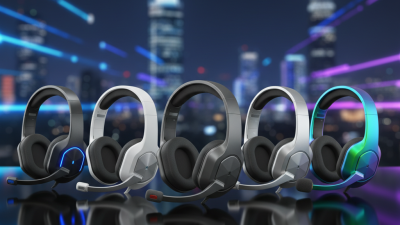
Choosing the best wireless headphone supplier depends on your sales channel, order size, and technical expectations. Business buyers need different support. A retail importer may prefer a ready-made catalog, while a growing electronics company may require custom housing, packaging, and firmware. An experienced supplier should explain microphone sensitivity, Bluetooth stability, battery capacity, and charging performance in practical terms.

For large-volume distribution, factory-direct manufacturers often provide stronger price control and production capacity. Ask for recent quality records, sample approval procedures, and clear lead-time commitments. A professional OEM or ODM supplier suits companies needing logo placement, color changes, or adjusted microphone tuning. Request a working sample before approving mass production. Small details matter.

Project buyers may need engineering support, testing documents, and flexible minimum order quantities. Suppliers serving these needs should offer inspection checkpoints, traceable components, and responsive after-sales communication. Check whether the microphone remains clear in a busy office, not only in a quiet showroom. That test can expose weak noise handling.

No supplier is perfect. Some impressive samples may hide inconsistent batch quality. Others communicate well but lack technical depth. Comparing samples, factory evidence, warranty terms, and production records creates a more reliable decision. I would also keep written specifications, because memory becomes unreliable during urgent purchasing. Availability and low pricing are useful, but dependable performance protects the business longer.

Procurement, Quality Control, and International Shipping Considerations

China Best Wireless Headphones With Mic Suppliers should be evaluated through evidence, not attractive samples. Procurement teams should request factory audit records, component traceability, and recent production references. The Bluetooth SIG 2024 Market Update forecasts 5.4 billion Bluetooth device shipments in 2024. That scale makes chipset continuity and firmware support important purchasing questions. Ask for a controlled pilot order before signing a large contract. Small mistakes become expensive quickly.

Quality control should test microphone clarity, wireless range, charging cycles, battery protection, and hinge strength. Use an agreed AQL plan, photographic inspection records, and random carton checks. Independent laboratories can verify radio performance and battery safety against destination-market requirements. The UN Manual of Tests and Criteria, referenced by IATA rules, requires lithium batteries to pass UN 38.3 testing before transport. A perfect pre-production sample proves little. We have seen cable fit and microphone performance drift between lots.

International shipping needs a documented battery declaration, accurate carton weights, and moisture-resistant packaging. Sea freight usually lowers cost, while air freight reduces inventory exposure. IATA reported global air cargo demand increased 11.2% year-on-year in 2024, showing how quickly capacity can tighten. Confirm Incoterms, customs documents, insurance, and port responsibilities in writing. Leave buffer time. Delays still happen, even with careful planning. Suppliers that disclose defects early are often more reliable than suppliers promising zero defects.

Our offices

Axtel Poland (HQ)
Mokotów Box 16 Woloska St
02-675 Warsaw Poland

tel. (+48 22) 490 96 00
fax: (+48 22) 540 15 22
sale@officeveigl.com

Axtel Middle East & Asia
G-026, THUB 2
Dubai Silicon Oasis
Dubai United Arab Emirates

tel. +971 50 5540 902
sale@officeveigl.com

Axtel India Private Limited
Unit # S-2, Srinivasa Apartments,
16, 1st Cross, Doctors Layout, Kasturinagar,
Bengaluru, Karnataka, India

tel. +91 96865 46376
sale@officeveigl.com

Axtel Benelux
Microlab Kastanjelaan 400
5616 LZ Eindhoven The Netherlands

+31 629 796 453
sale@officeveigl.com