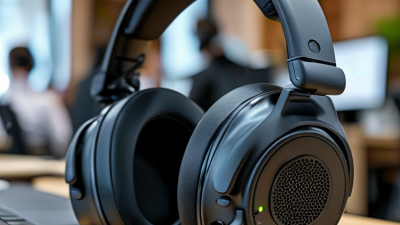
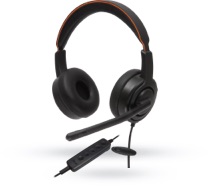
| Stereo Bluetooth headset with boom microphone |
Frequent video calls, desk work, and listening to audio |
A boom microphone generally keeps the mic close to the mouth, which can help maintain clearer speech pickup. |
Closed-back earcups can reduce some surrounding sound; active noise cancellation, if included, mainly helps with steady low-frequency noise. |
About 20–40 hours, depending on model, settings, and use |
Often around 10–30 m in typical indoor use; walls and interference can reduce it |
Over-ear cups can feel comfortable for long sessions, but may become warm or feel heavy. |
Bulkier than earbuds; microphone and noise-cancellation performance vary considerably by model. |
| USB-dongle wireless office headset |
Computer-based calls where a dedicated wireless connection and quick setup matter |
A USB receiver can provide a reliable connection to a computer, and the boom mic is suited to spoken calls. |
Usually offers useful call controls; passive isolation depends on whether the headset is mono, on-ear, or over-ear. |
Commonly about 20–40 hours for many modern models |
Often around 10–30 m indoors; the receiver’s placement and the office layout affect coverage |
Available in lightweight mono and stereo designs; fit and clamping pressure are model-specific. |
The receiver occupies a USB port, and some features may work only with supported computers or calling apps. |
| DECT office headset |
Desk-based calling, reception work, and moving around a larger office |
Designed for voice communication, often with a boom microphone and a dedicated charging base. |
Call-focused microphone processing is common; sound isolation depends on the earcup design. |
Often about 8–12 hours of talk time, with substantial variation by model |
Some systems advertise up to roughly 100–180 m in open conditions; real indoor range is usually shorter. |
Many designs are lightweight and available in mono or stereo; wearing comfort depends on the headband and ear cushion. |
Typically less convenient for travel and general-purpose Bluetooth use; range claims are not a guarantee of indoor coverage. |
| True wireless earbuds with call microphones |
Commuting, hybrid work, and switching between calls and mobile devices |
Convenient for calls, but small built-in microphones may be more affected by wind and nearby conversation than a boom mic. |
Some models offer active noise cancellation, which can reduce steady background noise for the wearer. |
About 5–8 hours per charge is common; the charging case can provide additional listening time. |
Usually around 10 m indoors, depending on the wireless connection and surroundings |
Very portable, but ear fit varies; prolonged in-ear wear may not suit everyone. |
Shorter use time per charge and generally less consistent voice pickup in noisy settings than a well-positioned boom mic. |
| Lightweight mono headset |
Call-heavy work where awareness of nearby colleagues is important |
A close-positioned boom mic can support clear speech pickup in everyday office calls. |
Leaves one ear uncovered, so it provides little isolation from room sound. |
Often about 15–30 hours, depending on model and call volume |
Typically around 10–30 m indoors for Bluetooth designs |
Low weight and an open ear can feel less enclosing; fit may need adjustment during long sessions. |
Less immersive for music and focused listening; the uncovered ear remains exposed to office noise. |