



How to Choose the Best Headset for Your Needs?

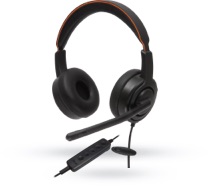
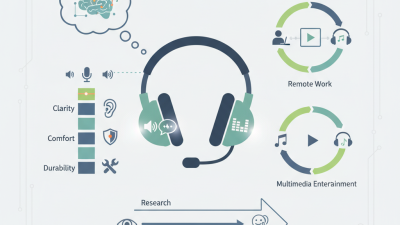
Choosing the right headset can transform your audio experience. Whether for gaming, calls, or music, the best headset suits your specific needs. With numerous options available, it can feel overwhelming. You want clarity in sound and comfort for long use.

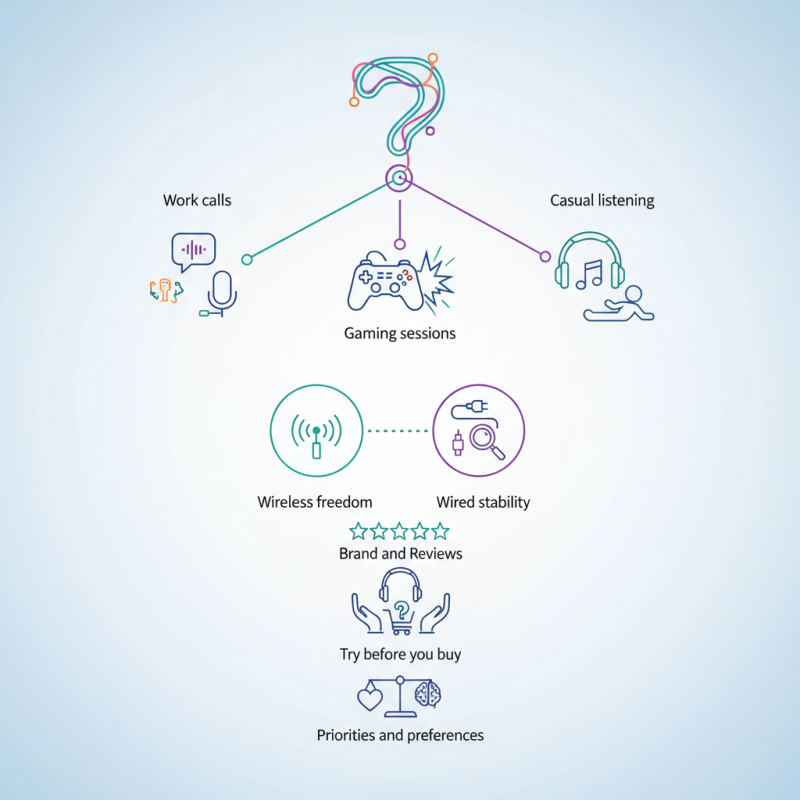
Think about where and how you'll use the headset. Will it be for work calls, gaming sessions, or casual listening? Each use requires different features. Wireless models offer freedom, while wired might provide stable connections.

It's important to consider the brand and reviews. Trustworthy sources can guide your decision. Don't forget to try before you buy if possible. Sometimes the more expensive option isn’t the best fit. Reflect on your priorities and preferences. Finding the right headset can enhance your daily activities significantly.

How to Choose the Best Headset for Your Needs?

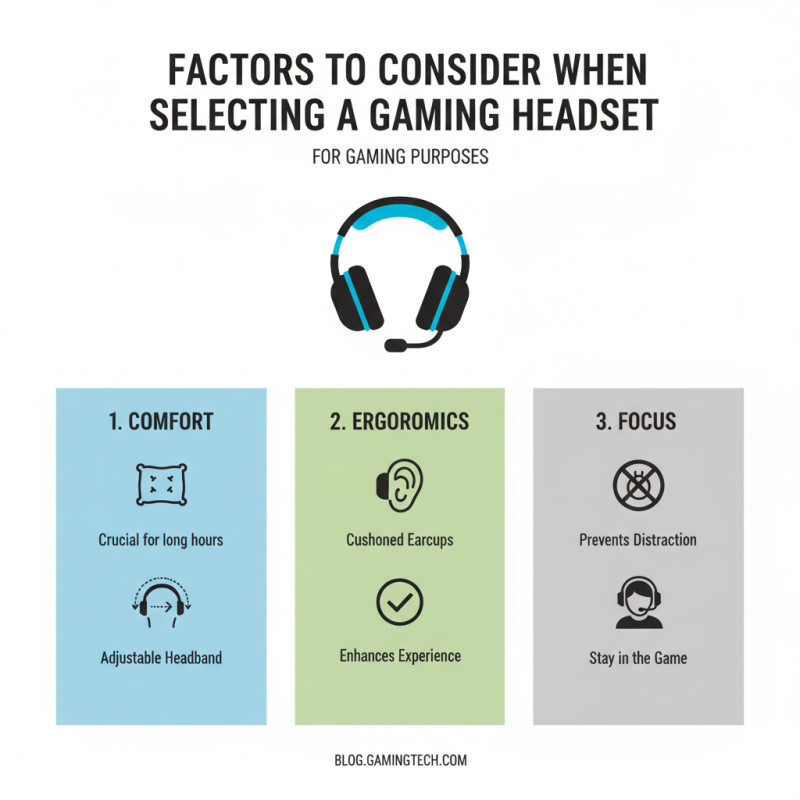
Factors to Consider When Selecting a Headset for Gaming Purposes

How to Choose the Best Headset for Your Needs?

Choosing the right headset for gaming is crucial. Comfort is important, especially for long hours of play. Look for adjustable headbands and cushioned ear pads. A good fit can enhance your gaming experience. You don't want discomfort distracting you mid-game.

Sound quality can make a big difference. Look for headsets with immersive surround sound. This feature helps you identify sounds in your environment. Clear audio enhances your awareness of potential threats in a game. Bass response also plays a role in overall enjoyment. You might find that richer sounds improve gameplay.

Microphone quality is another critical factor to consider. A clear microphone ensures teammates can hear your commands. Look for noise-canceling features to minimize background noise. A detachable microphone can offer flexibility, too. Lastly, think about the connection type. Wired headsets can provide a reliable connection, while wireless ones offer freedom of movement. The choice depends on your play style and setup. Reflect on your needs before making a decision.

Understanding Audio Specifications: Impedance, Frequency Response, and Sensitivity

Choosing the right headset can significantly affect your audio experience. Understanding key specifications such as impedance, frequency response, and sensitivity is essential. Impedance indicates how much resistance the headset offers. Lower impedance headsets are easier to drive, making them suitable for portable devices. Higher impedance models often deliver better sound quality but require more powerful equipment.

Frequency response measures the range of audible frequencies a headset can reproduce. A wider range typically means a richer sound. Look for headsets that cover from 20 Hz to 20 kHz. Remember, most people will perceive subtle differences in sound above 100 Hz. However, personal preference plays a significant role in how audio is experienced.

Sensitivity refers to how effectively a headset converts power into sound. Higher sensitivity means louder sound with less power. This is crucial if you plan to use your headset with devices that have lower output power like smartphones. Tips: Always test headsets if possible; varying environments can influence sound perception. Don’t rely solely on specifications. What sounds good to one person may not work for another. Listen, adjust, and find what fits your lifestyle best.

Understanding Headset Audio Specifications

Evaluating Wired vs. Wireless Headsets: Pros, Cons, and Market Trends

When choosing between wired and wireless headsets, weigh the pros and cons carefully. Wired headsets often provide superior sound quality. They also don’t require charging. Yet, they can limit mobility, which may hinder your daily activities. Wireless headsets offer convenience and freedom of movement. However, battery life can be a concern. You might find yourself scrambling for a charger during long sessions.

Here are some tips to consider: ensure your wireless headset has a solid battery life, ideally lasting over 20 hours. Check if the wired option has a durable cable. This can prevent wear and tear. Remember, comfort is paramount. Try them on if possible; fit affects usability greatly.

Market trends show a growing preference for wireless devices. Still, many professionals rely on wired options for critical tasks. Reassess your usage habits. Do you need flexibility, or is sound quality your priority? Every choice has trade-offs. Test different models to find what works best.

How to Choose the Best Headset for Your Needs?

Feature Wired Headsets Wireless Headsets
Sound Quality Generally High, less compression Good, may be lower than wired
Mobility Limited by the cable length High, no cables to restrict movement
Battery Life N/A Varies, typically ranges from 8-30 hours
Price Range $20 - $300 $50 - $500
Durability Often more durable due to fewer moving parts Can vary significantly; battery can degrade over time
Ease of Use Plug and play Setup may be required; pairing process

The Importance of Comfort and Fit: Ergonomics in Headset Design

Choosing the right headset hinges significantly on comfort and fit. An ergonomic design ensures that the headset accommodates the unique contours of the wearer’s head. A snug fit prevents discomfort during long usage. Padding is essential—look for soft materials that cushion your ears without pressuring them.

Adjustable headbands play a crucial role in achieving the perfect fit. They allow you to customize the headset according to your preferences. Some users may overlook this factor, leading to a subpar experience. It’s essential to test different sizes and shapes. A poorly fitting headset can cause fatigue, distracting you from your tasks.

Moreover, consider the weight of the headset. Lightweight designs can enhance comfort. However, lighter materials may compromise durability. It's a delicate balance. Evaluating your needs will require critical thinking. Reflect on your habits and usage patterns. The right headset should feel like an extension of yourself, not a cumbersome accessory.

Key Features to Look for in a Headset: Noise Cancellation and Microphone Quality

When choosing a headset, two features stand out: noise cancellation and microphone quality. Noise cancellation technology can dramatically improve sound clarity. According to a report from Research and Markets, the global market for noise-canceling headphones is projected to reach $4.5 billion by 2025, reflecting increasing demand for better audio experiences. Effective noise cancellation reduces background sounds and enhances focus, making it ideal for professionals in noisy environments.

Microphone quality is equally vital. A survey conducted by Voicebot.ai revealed that 67% of users prioritize clear voice quality for calls and meetings. Poor mic performance can lead to miscommunications. Features like noise-isolating microphones can filter out ambient noise, allowing for more professional interactions. A headset with an omnidirectional microphone may pick up more sound but could also capture unwanted noise, prompting users to consider their specific environments.

While technology continues to evolve, the choice remains complex. Users must balance features with personal needs. Options abound, with varying levels of sound quality and ergonomic design. Reflecting on practical use can help inform choices. Sometimes, it’s worth investing in a headset that may seem overkill for current needs, as future scenarios often change. Consider your environment and intended use to find the best fit.

Our offices

Axtel Poland (HQ)
Mokotów Box 16 Woloska St
02-675 Warsaw Poland

tel. (+48 22) 490 96 00
fax: (+48 22) 540 15 22
sale@officeveigl.com

Axtel Middle East & Asia
G-026, THUB 2
Dubai Silicon Oasis
Dubai United Arab Emirates

tel. +971 50 5540 902
sale@officeveigl.com

Axtel India Private Limited
Unit # S-2, Srinivasa Apartments,
16, 1st Cross, Doctors Layout, Kasturinagar,
Bengaluru, Karnataka, India

tel. +91 96865 46376
sale@officeveigl.com

Axtel Benelux
Microlab Kastanjelaan 400
5616 LZ Eindhoven The Netherlands

+31 629 796 453
sale@officeveigl.com