| System Structure | A villa video door phone normally includes an outdoor door station, one or more indoor monitors, an electronic lock, and a power supply. The door station sends audio and video to the indoor monitor, while the monitor controls communication and unlocking. | Choose a system supporting at least one outdoor station and two indoor monitors, with multi-unit expansion if the villa has several entrances or floors. | A scalable design avoids replacing the entire system when the property is extended. | Confirm the maximum number of doors, monitors, and extensions. |
| Video Resolution | The camera captures the visitor’s image and transmits it to the indoor monitor or mobile application. | At least 2 MP Full HD, with a clear image at the normal visitor distance. Higher resolution can be useful for large entrances. | Better image detail helps identify visitors and review events. | Test faces under both daylight and low-light conditions. |
| Viewing Angle | The horizontal and vertical field of view determine how much of the entrance area the camera can see. | A horizontal viewing angle of approximately 120° or more is suitable for many villa entrances. | A wider view reduces blind spots near gates, walls, and packages. | Check for image distortion and the actual coverage at the mounting height. |
| Night Vision | Infrared LEDs or low-light imaging allow the camera to display visitors when the entrance is dark. | Infrared night vision with a practical range of about 3–5 metres for a typical residential gate. | Visitors should remain visible at night without relying on permanent bright lighting. | Test night images for glare, overexposure, and face visibility. |
| Audio Communication | A microphone and speaker create two-way hands-free communication between the visitor and resident. | Full-duplex or echo-cancelled audio with adjustable volume and clear speech at the gate. | Clear audio is essential when the visitor’s face is not visible or the entrance is noisy. | Check audio clarity at the maximum recommended cable distance. |
| Wiring and Network | The system can use dedicated 2-wire cabling, Ethernet, or Wi-Fi depending on its architecture. Digital IP systems commonly use a local network for communication. | Use Ethernet or PoE for new structured installations; consider 2-wire systems when reusing existing villa wiring. | The correct topology affects installation cost, reliability, and future expansion. | Request a wiring diagram, cable limits, and voltage-drop requirements. |
| Indoor Monitor | The indoor monitor displays the visitor, provides two-way communication, and usually includes door-release and monitoring controls. | A 7-inch colour touch screen is a practical choice, with call transfer or room-to-room communication where required. | A clear interface makes the system easy for children, older residents, and guests to use. | Check screen brightness, viewing angle, language options, and response time. |
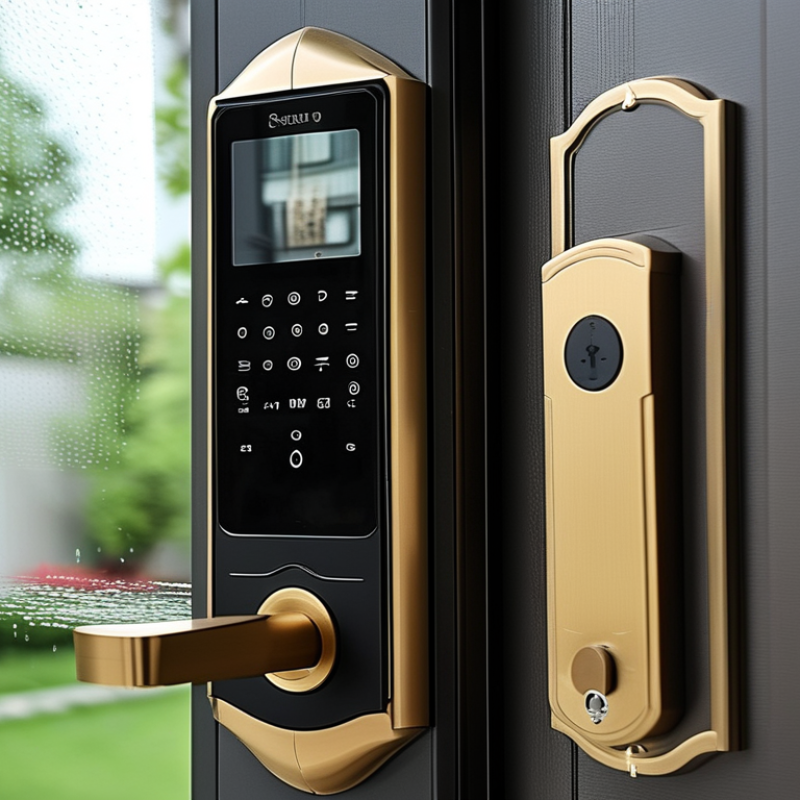
| Door Unlocking | After verifying the visitor, the resident activates a relay that releases an electric strike, magnetic lock, or motorised gate lock. | Support the lock voltage and current required by the entrance hardware, commonly 12 V DC for residential accessories. | Electrical compatibility prevents unreliable unlocking and premature hardware damage. | Verify fail-safe or fail-secure behaviour, exit hardware, and emergency release requirements. |
| Access Methods | In addition to indoor unlocking, some systems support RFID cards, PIN codes, QR codes, mobile access, or biometric functions. | Use at least two access methods, such as indoor release plus RFID or PIN access, with user management and deletion functions. | Multiple methods are convenient for residents, domestic staff, and temporary visitors. | Check whether lost cards and former users can be disabled immediately. |
| Mobile Connectivity | An internet-connected system can send call notifications to a smartphone and allow remote viewing or unlocking. | Choose secure app access with account authentication, notification control, and an option for local operation when the internet is unavailable. | Residents can respond to visitors when they are away from home. | Review data storage location, subscription fees, privacy policy, and offline behaviour. |
| Weather Protection | The outdoor station enclosure protects electronics from rain, dust, and outdoor exposure. | Prefer IP65 or better for a fully exposed entrance, with a sunshade or rain cover where direct weather exposure is severe. | Appropriate protection improves service life and reduces corrosion or water-related faults. | Check the enclosure rating, drainage design, gasket quality, and installation instructions. |
| Operating Temperature | The specified temperature range indicates the environmental conditions in which the outdoor station is designed to operate. | Select a model rated for the local climate; a common residential range is approximately −20°C to +50°C. | Extreme heat, cold, and condensation can affect camera, display, and lock performance. | Compare the rating with the site’s seasonal temperature and installation exposure. |
| Recording and Storage | The system may capture visitor snapshots or video clips and store them locally or in a cloud service. | Select event recording, encrypted storage, overwrite control, and a clear retention setting. Local storage is useful when internet access is unstable. | Recorded events help review missed visitors and security incidents. | Confirm storage capacity, export format, access permissions, and privacy compliance. |
| Safety and Security | Security features protect communication, user accounts, access credentials, and the door-release function. | Look for encrypted communication, unique administrator credentials, role-based access, firmware updates, and tamper detection. | A connected door phone should not become an unauthorised entry point or an exposed network device. | Ask about update support, password rules, vulnerability handling, and reset procedures. |
| Compliance and Documentation | Electrical, radio, and environmental compliance documents show whether the equipment is suitable for the destination market. | Request applicable conformity documents, safety information, installation drawings, user manuals, and test reports. | Complete documentation supports import, installation, maintenance, and regulatory review. | Check that documents match the exact model and intended sales region. |
| Supplier and After-Sales Support | A reliable supplier should provide sample testing, technical assistance, spare parts, firmware support, and warranty procedures. | Prefer clear warranty terms, documented quality inspection, stable spare-part availability, and support for custom languages or installation requirements. | Support quality directly affects installation time and long-term operating cost. | Request a pre-shipment sample, inspection checklist, response time, and replacement process. |