

How to Choose the Right Capacitor Contactor for Your Needs?

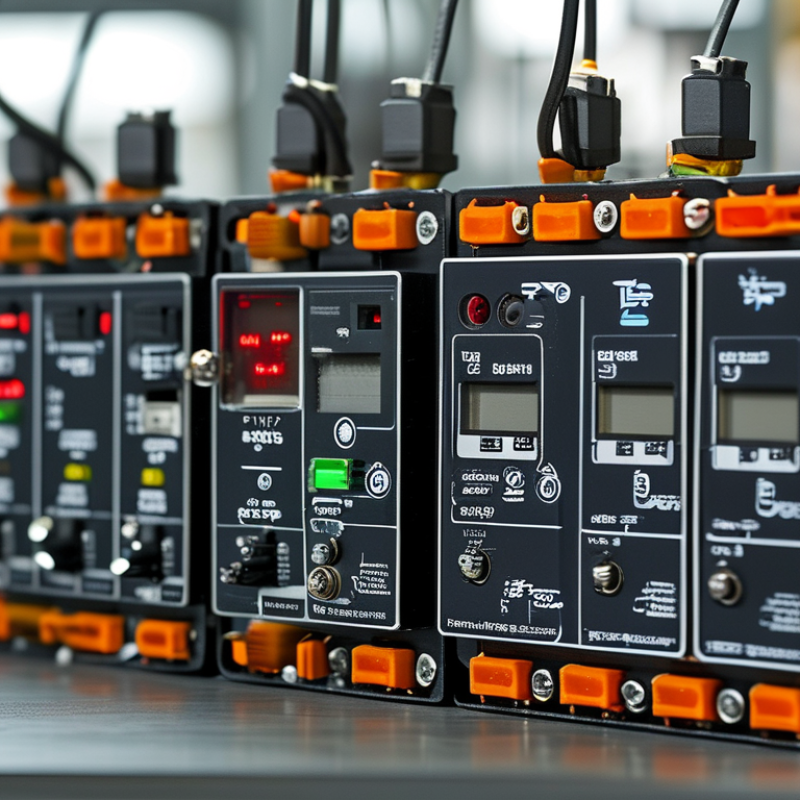
Choosing the right Capacitor Contactor can significantly impact your electrical system's performance. A good contactor ensures proper voltage and current flow. When making a choice, it's vital to consider several factors. These include application, voltage rating, and the type of load.

Many people overlook the importance of matching specifications. Mismatched ratings can lead to inefficiencies. It might cause overheating or even failure of components. Understanding the technical details of Capacitor Contactors helps avoid such pitfalls. Researching brands and reading reviews can aid in making informed choices.

Compatibility with existing equipment is another crucial aspect. Ensure the selected contactor works seamlessly with your capacitors. If unsure, consulting professionals is always wise. They can provide insights tailored to your specific needs. Careful selection will ultimately lead to better reliability and performance in your system.

How to Choose the Right Capacitor Contactor for Your Needs?

Understanding the Basics of Capacitor Contactors

Understanding the basics of capacitor contactors is essential for making an informed choice. These devices allow for efficient control in electrical systems. They facilitate the connection and disconnection of capacitor banks, directly impacting power factor correction. Knowing their function helps in selecting the right type for specific applications.


Capacitor contactors vary in specifications. They include different voltage ratings, current capacities, and design features. It’s vital to match these specifications with your operational needs. Incorrect choices can lead to inefficiencies. For instance, an undersized contactor might overheat during peak loads.


Installation also requires attention. Proper connections are crucial for optimal performance. Miswiring can cause failures or even safety hazards. Regular maintenance is often overlooked, yet it’s necessary for longevity. Neglecting this aspect may result in unexpected issues down the line.


Understanding these finer details can guide you in making better decisions.

Identifying Your Electrical Requirements for Capacitor Contactors

When selecting the right capacitor contactor, understanding your electrical requirements is crucial. First, assess the voltage levels in your system. This involves checking the maximum voltage that your equipment will operate at. If the voltage rating of the contactor is lower than your system's, it could lead to failures. Choosing a contactor that can handle the necessary voltage ensures safety and efficiency.

Next, consider the current needs of your application. Each capacitor contactor has a specific current rating it can manage. This rating affects performance. Using a contactor with an inadequate current rating can result in overheating and potential damage. Calculate the anticipated load carefully. Additionally, review the operating temperature and environment where the contactor will be installed. Some environments are harsher than others, impacting the component's longevity.

It’s also important to consider the switching frequency of your application. A contactor that cannot handle frequent switching may shorten its lifespan or perform inconsistently. This necessitates evaluating the duty cycle requirements. Sometimes, professionals overlook these details, leading to suboptimal performance. Engage with experts or consult technical documents if uncertain. This ensures that the selected contactor meets all functional criteria for your specific situation.

Evaluating Different Types of Capacitor Contactors Available

When choosing a capacitor contactor, it's essential to understand the types available. Different applications require specific features. There are magnetic, thermal, and electronic types. Each has its own unique advantages. Magnetic contactors are robust and commonly used in industrial settings. They can handle high currents but may not be as efficient in small applications.

Thermal contactors are simple and cost-effective. They operate based on temperature changes. However, they can be slower and less responsive. Electronic contactors offer advanced control features. They provide precision switching and can monitor the load accurately. This can enhance system performance but may come at a higher cost and complexity.

Evaluating these options requires careful consideration of your specific needs. Look at the load capacity and operational environment. Different devices may perform better in particular circumstances. Some may be overly complicated for simple tasks. Ensure you choose a contactor that balances functionality with practicality. It’s a process that may take time and reflection on what truly fits your requirements.

Key Features to Consider When Selecting a Capacitor Contactor

When selecting a capacitor contactor, several key features should guide your decision. Start with the voltage rating. Ensure it matches your system's requirements. A mismatch can lead to failure. Pay attention to the current rating as well. This determines the maximum load the contactor can handle. Underestimating this can result in overheating or malfunction.

Another important factor is the switching technology. Electromechanical contactors are commonly used, while solid-state options offer faster switching times and longer lifespans. Evaluate your application's specific needs. Do you require frequent on-off cycles? If so, solid-state might be better.

Consider the control voltage required for operation. Different contactors require different control voltages. Make sure your existing system is compatible. Lastly, take note of environmental factors. Will the contactor be exposed to dust, moisture, or extreme temperatures? Choose a model with adequate protection ratings for your environment. These considerations can significantly impact performance and longevity.

How to Choose the Right Capacitor Contactor for Your Needs?

Feature Description Consideration
Voltage Rating The maximum voltage the contactor can handle without breaking down. Ensure the voltage rating matches or exceeds your system requirements.
Current Rating The maximum current load the contactor will switch. Choose a rating slightly above your application's maximum load for safety.
Type of Contact Configuration Single pole, double pole, or multi-pole contact configurations. Determine how many poles your application needs for control.
Control Voltage The voltage applied to the coil to operate the contactor. Match the control voltage to your control circuit specifications.
Operating Temperature Range The ambient temperature range the contactor can operate within. Select contactors rated for the environment where they will be used.
Mechanical Life The expected number of operating cycles before malfunction. Consider your application’s on-off cycling frequency.
Electrical Life The expected number of switching operations under normal load. Choose a higher electrical life rating for frequent use.

Safety Considerations When Using Capacitor Contactors

When working with capacitor contactors, safety is paramount. These devices handle significant electrical loads and can pose serious risks if not used properly. Always ensure that the contactor you select is rated for the specific voltage and current of your application. Overloading a contactor can lead to equipment failure or even electrical fires. It's crucial to check the specifications regularly and replace any components that show signs of wear.

Another important consideration is proper installation. Make sure to follow the manufacturer's guidelines for mounting and wiring. Improper installation can result in short circuits or electrical shock. It’s wise to consult an electrician if you're unsure about the installation process.

Personal protective equipment (PPE) is essential during installation and maintenance. Use gloves, goggles, and other protective gear. This equipment reduces the risk of injury from electrical shock or flying debris. Remember, safety should never be an afterthought. Regularly review safety protocols to identify any gaps in your practices. Reflection on past experiences can help improve future safety standards.

Our offices

Axtel Poland (HQ)
Mokotów Box 16 Woloska St
02-675 Warsaw Poland

tel. (+48 22) 490 96 00
fax: (+48 22) 540 15 22
sale@officeveigl.com

Axtel Middle East & Asia
G-026, THUB 2
Dubai Silicon Oasis
Dubai United Arab Emirates

tel. +971 50 5540 902
sale@officeveigl.com

Axtel India Private Limited
Unit # S-2, Srinivasa Apartments,
16, 1st Cross, Doctors Layout, Kasturinagar,
Bengaluru, Karnataka, India

tel. +91 96865 46376
sale@officeveigl.com

Axtel Benelux
Microlab Kastanjelaan 400
5616 LZ Eindhoven The Netherlands

+31 629 796 453
sale@officeveigl.com