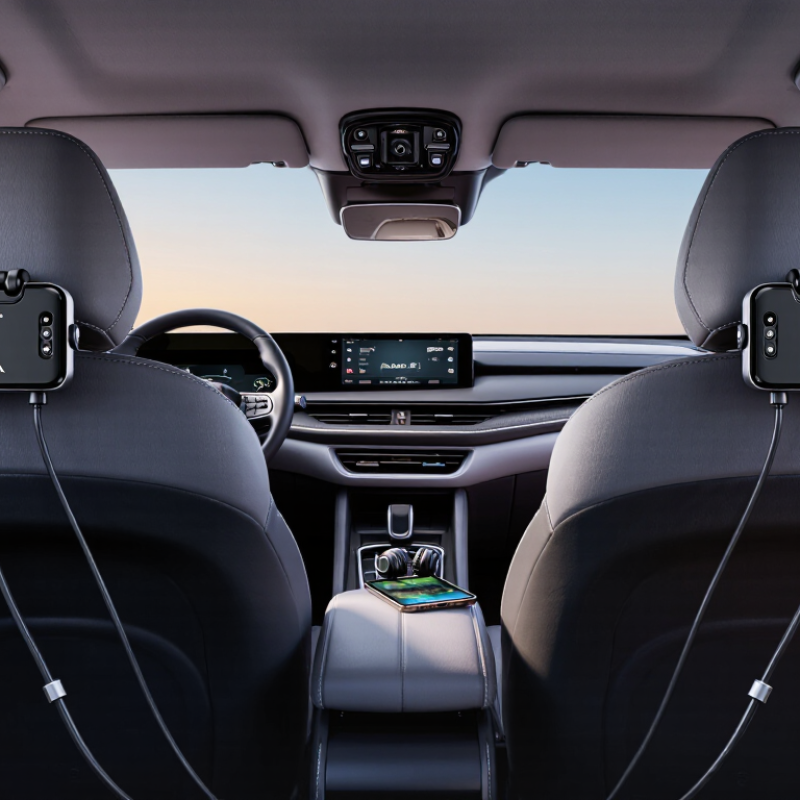
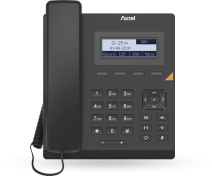
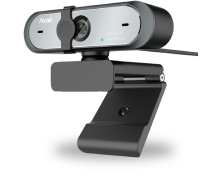
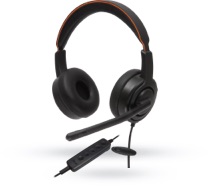
| Typical Installation | Single headrest mount with a compact control unit | Dual-headrest installation for rear-seat passengers | Adjustable mount with cable-management channels | Vehicles with limited rear-seat space |
| FM Frequency Coverage | 88.1–107.9 MHz in regions using the North American FM band | 88.1–107.9 MHz in regions using the North American FM band | Region-dependent FM band; verify local frequency requirements | Drivers who need compatibility with the vehicle radio |
| Frequency Selection | Manual digital tuning | Manual tuning with saved channel memory | Automatic scanning plus manual tuning | Areas with frequent FM interference |
| Audio Input | Bluetooth and 3.5 mm auxiliary input | Bluetooth, auxiliary input, and USB media playback | Bluetooth, auxiliary input, and wired source support | Vehicles with different audio-source requirements |
| Bluetooth Compatibility | Hands-free calling and wireless audio streaming | Wireless audio streaming with separate rear-seat controls | Wireless audio streaming with reconnect memory | Users who want fewer cables |
| Power Connection | 12 V accessory socket with USB charging output | 12 V accessory socket or fused vehicle power connection | 12 V accessory socket with multiple charging ports | Vehicles requiring convenient passenger charging |
| Charging Capability | One USB output, commonly suitable for basic phone charging | One or two USB outputs for rear-seat devices | Higher-output USB charging for phones and tablets | Long-distance travel and family use |
| Audio Output Quality | Clear speech and standard music playback when a clear frequency is used | Balanced audio for movies, music, and spoken content | Improved noise control for longer listening sessions | Listeners who prioritize consistent sound |
| Interference Management | Basic channel adjustment | Stored frequencies for quick changes | Automatic frequency scanning and interference-aware tuning | Urban areas with crowded FM bands |
| Headrest Adjustability | Fixed-width or limited-width mounting brackets | Adjustable brackets for common headrest-post spacing | Wide adjustment range with tilt and viewing-angle control | Vehicles with different seat designs |
| Screen or Display Visibility | Small front-facing display for the driver | Rear-passenger display with large control icons | Adjustable display angle with high-contrast information | Passengers who need easy control from the back seat |
| Control Method | Physical buttons and basic remote control | Physical controls, remote control, and rear-seat access | Physical controls with steering-safe driver access | Safe operation while driving |
| Recommended Vehicle Size | Small cars, coupes, and compact SUVs | Family sedans, minivans, and three-row SUVs | Large SUVs, vans, and vehicles used for frequent travel | Matching the device to cabin size |
| Cable Management | Short cable set with basic clips | Extended cables for two rear-seat positions | Longer routed cables with secure clips and strain relief | Clean installation and reduced cable obstruction |
| Installation Difficulty | Low – usually installs without tools | Medium – may require cable routing between seats | Medium – careful positioning is needed for a secure fit | Buyers choosing between convenience and flexibility |
| Safety Considerations | Should not block the driver’s view or interfere with headrest movement | Requires secure mounting and safe cable routing around passengers | Needs firm attachment, unobstructed airbags, and accessible controls | All vehicles and passenger configurations |
| Best Overall Use Case | Simple wireless audio transmission for occasional trips | Shared rear-seat entertainment for families | Frequent road travel requiring flexibility, charging, and stable operation | Selecting according to travel frequency and passenger needs |