| Product Function | A conductive sleep surface designed to connect the user's body to an electrical ground through a cord and a properly grounded outlet or grounding rod. | Choose a product that clearly explains the conductive layer, connection method, and intended sleeping position. It should not be presented as a substitute for medical treatment. | Read the technical description and user instructions before purchase. |
| How Grounding Works | The mat is connected to protective earth. When skin contacts the conductive surface, the body can be electrically connected to the same ground reference. | Grounding depends on a genuine earth connection; simply plugging a cord into an outlet does not prove that the outlet is correctly grounded. | Use an outlet tester or have the outlet checked by a qualified electrician. |
| Evidence Level | Research on grounding and sleep remains limited, with small studies and mixed-quality evidence. Reported benefits should not be treated as established medical outcomes. | Evaluate the mat as a personal wellness product, not as a proven treatment for insomnia, inflammation, chronic pain, or other conditions. | Look for transparent references to independent research and avoid guaranteed health claims. |
| Conductive Material | Common conductive surfaces include conductive fabric, carbon-based materials, or conductive coatings. Their performance can change with wear, moisture, and laundering. | Select a material that is comfortable against the skin and suitable for the planned use. A non-conductive sheet or thick mattress protector may reduce skin contact. | Check the material composition, recommended covering, and care instructions. |
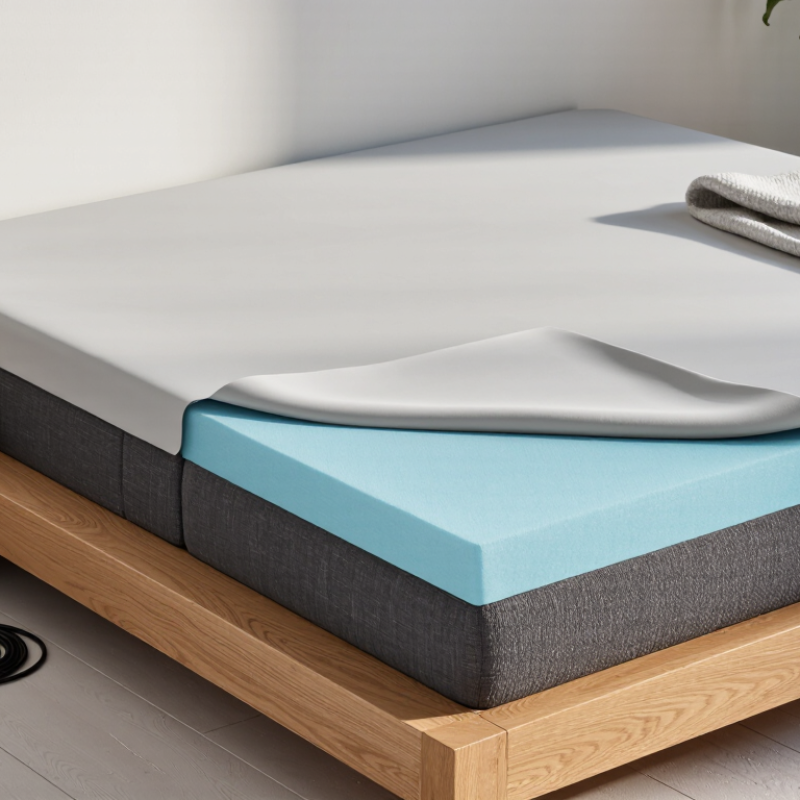
| Coverage Area | The part of the sleep surface that is electrically conductive and intended for body contact. | A mat covering only part of the bed may still work when exposed skin contacts it, but a larger area can be more convenient for changing sleep positions. | Compare the mat dimensions with the mattress and the user's usual sleeping position. |
| Skin Contact | Electrical connection is generally more direct through bare skin than through clothing or bedding. | Place the mat where a hand, arm, leg, or foot can rest on it. If using a sheet, follow the product instructions about fabric thickness and contact. | Confirm that the intended contact area remains on the conductive surface during sleep. |
| Grounding Cord | The cord links the mat to an earth connection. It should be long enough for the bed location without being stretched or creating a trip hazard. | Prefer a cord with secure connectors, strain relief, and clear installation instructions. Do not modify the cord or remove safety components. | Inspect connectors for looseness, exposed conductors, or damage before use. |
| Outlet Safety | A grounded outlet has a functioning protective-earth path. Older, damaged, or incorrectly wired outlets may not provide one. | Test the outlet before connecting the mat. Do not use an ungrounded outlet, loose socket, damaged extension cord, or improvised adapter. | Use a suitable outlet tester and follow local electrical-safety requirements. |
| Alternative Ground Connection | Some systems use a grounding rod or another approved earth connection instead of a wall outlet. | This may be relevant where indoor outlets are not reliably grounded, but installation must follow local rules and the product's instructions. | Ask a qualified electrician when the correct earth connection is uncertain. |
| Electrical Protection | The mat is intended to connect to earth, not to supply power. It should not contain a connection to a live electrical conductor. | Choose products with clear safety documentation and avoid any product with damaged insulation, exposed wiring, or unexplained electrical components. | Stop using the product immediately if it becomes hot, sparks, smells of burning, or shows physical damage. |
| Moisture and Sweat | Moisture can affect conductivity, comfort, cleaning requirements, and the condition of the surface. | Keep connectors dry, follow the washing instructions, and allow the mat to dry completely before reconnecting it. | Check whether the conductive layer remains connected after washing and drying. |
| Cleaning and Durability | Repeated washing, abrasion, lotions, oils, and high heat may reduce the performance or lifespan of conductive materials. | Prefer clear instructions for washing temperature, detergent, drying, and storage. Avoid bleach or fabric softener unless expressly permitted. | Inspect the surface and connection point regularly for cracking, peeling, fraying, or loss of continuity. |
| Continuity Testing | A continuity or resistance check can indicate whether the conductive surface and cord remain electrically connected, but it does not prove that a wall outlet is safely grounded. | If the manufacturer recommends testing, use the specified method and test at the interval stated in the instructions. | Use appropriate measuring equipment or consult a qualified technician when results are unclear. |
| Comfort and Heat | The mat should remain comfortable under normal sleeping conditions without bunching, sharp edges, excessive heat, or irritating texture. | Consider surface feel, thickness, noise, breathability, and whether it stays flat under a fitted sheet. | Check the return policy so comfort can be assessed safely at home. |
| Fit and Stability | A mat that shifts, folds, or creates raised edges can reduce contact and become a sleep or trip hazard. | Choose a size and construction that remain stable on the mattress. Route the cord along the side of the bed and away from walking paths. | Confirm that the mat lies flat and the cord cannot be pulled accidentally. |
| Personal Medical Considerations | People with implanted or electrically powered medical devices, significant medical conditions, or concerns about electrical exposure may need individual advice. | Ask a healthcare professional before use if there is any uncertainty, and never use the mat instead of prescribed care. | Follow advice from the relevant clinician and the device manufacturer. |
| Electrical Storms | A connected cord can create an unnecessary conductive path during thunderstorms, even when the mat itself is not powered. | Disconnect the mat from the outlet or grounding connection during thunderstorms and when the product will not be used for an extended period. | Follow the manufacturer's storm and storage instructions. |
| Claims and Transparency | Marketing may describe improved sleep, reduced stress, pain relief, or anti-inflammatory effects, but these claims are not equally supported by clinical evidence. | Prefer factual explanations of construction, grounding, limitations, cleaning, and safety over guaranteed results or dramatic testimonials. | Check whether claims are qualified and supported by identifiable, relevant evidence. |
| Overall Choice | A suitable grounding sleep mat combines a conductive surface, reliable earth connection, safe installation, comfortable coverage, and maintainable construction. | Prioritize electrical safety, clear instructions, realistic claims, suitable dimensions, and a reasonable return or replacement policy. | Do not purchase if the grounding method, safety information, or product construction is unclear. |