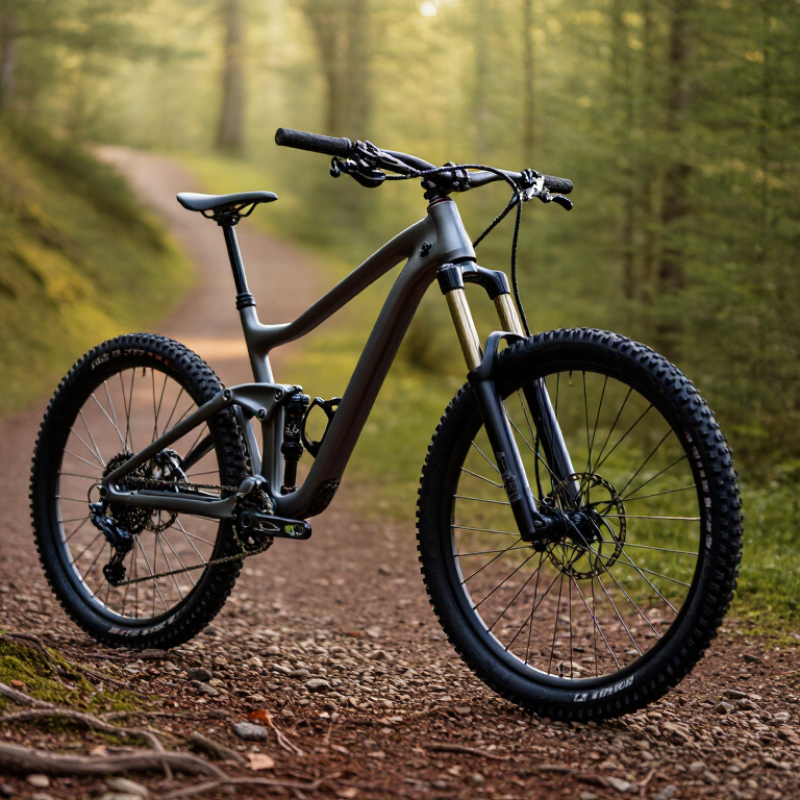
| Mountain Bike Purpose | A bicycle designed for unpaved surfaces, including forest trails, gravel paths, rocky terrain, and purpose-built singletrack. | Choose a model according to the terrain and riding frequency rather than appearance alone. | Frame geometry, tires, suspension, braking, and gear range are developed for control and traction away from smooth roads. | Identify the type of trail you expect to ride most often before comparing components. |
| Hardtail or Full Suspension | A hardtail has front suspension only; a full-suspension bike has front and rear suspension. | Hardtail for simpler cross-country riding and lower cost; full suspension for rough, technical, or downhill-focused trails. | Hardtails are generally lighter, easier to maintain, and more efficient on smoother climbs. Full suspension improves comfort, traction, and control on rough ground. | Consider whether your regular routes contain roots, rocks, drops, and long descents. |
| Wheel Size | The diameter of the wheel affects rollover ability, handling, acceleration, and fit. | 29-inch wheels are common for efficient rollover; 27.5-inch wheels can feel more agile; some smaller frames use smaller wheels for better fit. | Larger wheels generally roll over obstacles more easily, while smaller wheels may offer quicker handling and easier clearance. | Use wheel size together with frame size and body proportions; it should not be selected independently. |
| Rider Height | Overall height provides a starting point for selecting a frame size. | Typical starting ranges: approximately 152–165 cm for Small, 165–178 cm for Medium, 178–188 cm for Large, and 188 cm or taller for Extra Large. | Height helps narrow the options, but two riders of the same height may need different sizes because leg and torso proportions vary. | Use the specific bike’s geometry chart and compare it with your measurements. |
| Inseam Length | Inseam is the distance from the floor to the top of the inner leg and is especially useful for checking standover clearance. | Measure barefoot with feet slightly apart and use the manufacturer’s standover and seat-tube information. | Enough clearance helps prevent contact with the top tube during sudden stops or technical movements. | When standing over the bike, leave a comfortable clearance rather than relying on height alone. |
| Reach and Stack | Reach describes the frame’s horizontal length; stack describes its vertical height from the bottom bracket area. | Choose a reach that allows a relaxed bend in the elbows and a stable, centered position. | These measurements often describe riding position more accurately than a simple Small, Medium, or Large label. | Test the handlebar position while standing on the pedals and while seated. |
| Suspension Travel | Travel is the amount of suspension movement available to absorb impacts. | About 100–120 mm for many cross-country bikes, 120–150 mm for trail riding, and more than 150 mm for aggressive enduro or downhill use. | More travel can improve control on larger impacts but may add weight and reduce pedaling efficiency. | Match travel to the roughness and speed of your intended trails. |
| Braking System | Hydraulic or mechanical disc brakes provide braking power in dirt, mud, and wet conditions. | Hydraulic disc brakes are usually preferred for frequent trail riding; mechanical disc brakes can be easier to service in some situations. | Rotor diameter, pad condition, and heat management affect stopping control, especially on long descents. | Check that the levers are easy to reach and that braking feels progressive rather than abrupt. |
| Tire Width and Tread | Tire width and tread pattern determine grip, comfort, rolling resistance, and puncture protection. | Approximately 2.1–2.4 inches suits many cross-country routes; 2.3–2.6 inches is common for trail riding. | Wider, more aggressive tires improve grip on loose terrain but may roll more slowly on pavement. | Choose tread according to soil, rocks, roots, mud, and the amount of paved riding between trails. |
| Gearing | The gear range determines how easily you can climb and how comfortably you can maintain speed. | A wide-range drivetrain with a low climbing gear is useful for steep or extended climbs. | Lower gears reduce pedal force on climbs; higher gears help maintain speed on smooth descents and connecting roads. | Shift through the full range and confirm that the chain does not skip under light pedaling pressure. |
| Frame Material | Common materials include aluminum, carbon fiber, steel, and titanium. | Aluminum is a practical all-round option; carbon can reduce weight; steel and titanium may offer distinct durability or ride characteristics. | Material affects weight, stiffness, comfort, repair options, and purchase price. | Prioritize correct fit, reliable components, and intended use before paying more for frame material. |
| Entry-Level Budget | The purchase amount for a basic mountain bike suitable for casual riding and light trails. | Approximately USD 500–1,000, excluding accessories and possible assembly costs. | At this level, a dependable frame, hydraulic disc brakes, and a usable gear range may matter more than advanced suspension features. | Confirm that the bike is designed for off-road use and has a serviceable suspension fork if needed. |
| Mid-Range Budget | The purchase amount for more capable components and stronger trail performance. | Approximately USD 1,000–2,500 for many hardtails and some full-suspension options. | This range may provide better wheels, suspension adjustment, braking performance, and component durability. | Compare suspension quality, wheel strength, drivetrain range, and frame geometry instead of counting gears alone. |
| Advanced Budget | The purchase amount for specialized geometry, lighter materials, premium suspension, or demanding trail use. | Approximately USD 2,500 and above, with prices varying widely by suspension design and component level. | Higher cost can improve performance and reduce weight, but it does not automatically guarantee a better fit or greater enjoyment. | Buy advanced features only when your terrain and riding skills justify them. |
| Essential Accessories | Equipment that improves safety, comfort, visibility, and roadside repair capability. | Helmet, gloves, spare tube or tubeless repair kit, pump, multitool, water, lights for low visibility, and basic eye protection. | Small mechanical problems and changing weather are common on trails, while protective equipment reduces avoidable injuries. | Carry tools that match your axle, valve, tire, and fastener types. |
| Before-Every-Ride Check | A short inspection of the main safety and control systems. | Check tire pressure, brake function, wheel security, headset tightness, chain condition, and suspension leaks. | These checks can identify loose parts, underinflated tires, worn pads, or other issues before they become dangerous. | Use a quick “brakes, wheels, steering, drivetrain” routine before leaving. |
| Cleaning Routine | Removing dirt, mud, and moisture after riding. | Wipe the frame and drivetrain after normal rides; rinse gently after heavy mud, avoiding direct high-pressure spray. | Excessive water pressure can force contamination into bearings, seals, and moving parts. | Dry the bike thoroughly and clean the chain before applying suitable lubricant. |
| Chain Lubrication | Applying lubricant to the chain rollers after cleaning and drying. | Use a dry lubricant for dusty conditions and a wet lubricant for persistently damp conditions; remove excess lubricant. | Correct lubrication reduces friction and corrosion, while excess oil attracts abrasive dirt. | Apply one drop per roller, rotate the chain, and wipe the outside plates. |
| Tire Pressure | The air pressure affects grip, comfort, rolling resistance, and rim protection. | Begin within the tire manufacturer’s stated range and adjust for rider weight, terrain, tire construction, and tubeless setup. | Too little pressure increases rim strikes and tire damage; too much pressure reduces traction on rough ground. | Check pressure before each ride because temperature and storage time can change it. |
| Periodic Professional Service | Inspection and adjustment of bearings, suspension, brakes, drivetrain, wheels, and fasteners. | Have a thorough service at least annually, or sooner after heavy use, crashes, water exposure, or noticeable performance changes. | Regular servicing helps detect wear before it damages more expensive components. | Seek service when shifting remains poor, braking fades, suspension leaks, or bearings feel rough. |
| Storage | Keeping the bicycle in a dry, secure, moderate-temperature location. | Store it upright or supported without loading delicate cables, rotors, or suspension parts. | Dry storage limits corrosion and helps preserve tires, seals, cables, and drivetrain components. | Clean and dry the bike before long-term storage, and avoid leaving suspension compressed unnecessarily. |