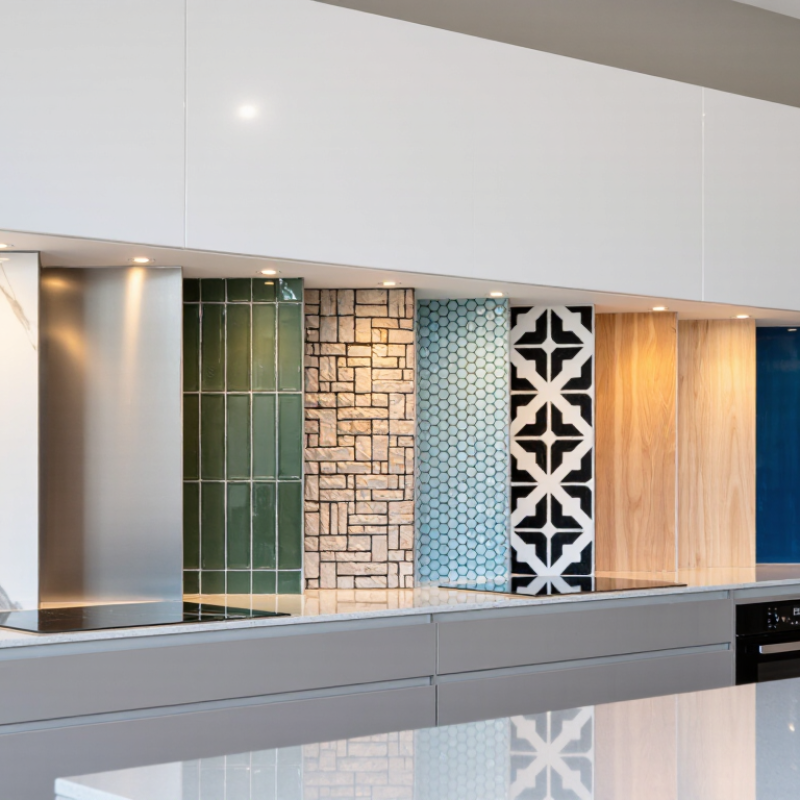
Top 10 Wall Backsplash Types for Kitchens

A kitchen backsplash is a working surface, but it also sets the room’s visual rhythm. A strip of glossy ceramic can brighten a dim corner; a full-height stone slab can make a compact kitchen feel calmer. The choices in this guide range from familiar subway tile to metal, glass, and natural stone. Each brings different demands for cleaning, installation, cost, and upkeep. Small details matter. Grout can darken near a busy cooktop, and a beautiful surface may show fingerprints more than expected.

The financial context is significant. Harvard’s Joint Center for Housing Studies projected U.S. homeowner improvement and repair spending would approach $450 billion in 2024. That figure covers many kinds of projects, not backsplashes alone, but it shows why durable material choices deserve attention. Houzz’s 2024 U.S. Kitchen Trends Study also tracks backsplash materials and renovation decisions, offering a useful view of current homeowner priorities. Design thinker William Morris offered a fitting standard: “Have nothing in your houses that you do not know to be useful, or believe to be beautiful.” His words are not a technical specification. Still, they capture the balance a Wall Back Splash should strike. This top-10 guide compares practical strengths and trade-offs, so you can match the surface to your kitchen, not just a photograph. Some options look perfect on a sample board. Real kitchens can be less forgiving.

Top 10 Wall Backsplash Types for Kitchens

What a Kitchen Wall Backsplash Is and How It Works

A kitchen wall backsplash is the finished surface behind a countertop, often continuing up to the cabinets. It may also cover the wall behind a cooktop, where splashes and cooking residue are common. Tile, stone, glass, and metal are among the available materials, but each handles cleaning, heat, and moisture differently. The wall beneath matters, too: it should be sound, clean, and suitable for the chosen installation method.

The backsplash works as a barrier between everyday mess and the wall. A quick wipe can remove water droplets near a sink or sauce spots beside a stove. It is useful, but not invincible. Grout lines, corners, and gaps around outlets can collect grime or let moisture through if they are poorly finished. Follow the material’s care guidance, and use suitable sealant where the installation requires it.

Small details affect how well the surface performs. A backsplash that ends just above the counter may leave a narrow strip exposed to spills. One that reaches higher can protect more wall, though it may take extra planning around shelves and electrical outlets. I would not describe any option as maintenance-free; even a tidy tile layout needs occasional attention. Check how the surface meets the countertop, and clean up standing water rather than assuming the backsplash can handle everything.

Top 10 Wall Backsplash Types for Kitchens — What a Kitchen Wall Backsplash Is and How It Works

A kitchen wall backsplash is a protective, decorative surface installed on the wall behind countertops, sinks, and cooking areas. It helps limit water, grease, and food splashes from reaching the wall. The backsplash is typically attached with an appropriate adhesive or fastening system, while sealed joints and correctly finished edges help keep moisture from getting behind it.

# Backsplash Type Typical Material How It Performs Cleaning and Care Things to Consider
1 Ceramic Tile Fired clay tile with a glazed or unglazed surface Glazed tile resists everyday splashes and is generally suitable behind sinks and counters. Heat performance depends on the tile and installation. Wipe glazed faces with a mild household cleaner. Grout may need periodic sealing and cleaning. Available in many colors, shapes, and patterns. Grout lines require more care than a continuous surface.
2 Porcelain Tile Dense, kiln-fired clay tile Low-porosity tile resists water and staining well when properly installed. Suitable for many areas near cooking and washing. Usually easy to wipe clean. Cement-based grout may still need sealing and routine attention. Durable and available in a wide range of finishes. Cutting and fitting dense tile can require specialized tools.
3 Glass Tile Solid glass tiles, mosaics, or panels Nonporous glass resists moisture and does not absorb food or grease stains. It is not a substitute for a heat-rated surface where direct high heat is possible. Clean with a soft cloth and a non-abrasive cleaner. Avoid abrasive pads that can scratch or dull the finish. Reflects light and comes in many colors. Transparent glass can make adhesive and wall preparation visible.
4 Natural Stone Marble, granite, slate, or other quarried stone Durability and porosity vary by stone. Many natural stones need sealing to reduce absorption of water, oil, and food stains. Use a cleaner suitable for the specific stone. Acidic products can etch marble and other calcium-based stones. Each piece has natural variation. Sealing schedules depend on the stone, finish, and product instructions.
5 Stainless Steel Stainless steel sheet, panels, or tiles Nonporous and moisture-resistant, with good heat tolerance for typical kitchen use when installed according to product specifications. Wipe with a soft cloth, following the grain where visible. Drying after cleaning helps reduce water marks. Offers a clean, reflective appearance. Fingerprints and fine scratches may be more noticeable on some finishes.
6 Engineered Quartz Manufactured stone surface made primarily from quartz and resin Generally nonporous and easy to clean. Resin content means heat tolerance is product-specific; follow the maker’s clearance and installation guidance. Clean with mild soap and water or a compatible household cleaner. Avoid harsh chemicals unless approved for the surface. Large pieces can create fewer seams than small tiles. Slab weight, cutouts, and wall support need professional planning.
7 Solid-Surface Panel Nonporous acrylic or polyester-based composite Provides a continuous, moisture-resistant surface with few or inconspicuous seams. Heat limits vary by product. Typically cleaned with a soft cloth and mild cleaner. Follow product instructions for stain removal and repairs. Can create a seamless look and may be repairable, but it should be kept within the manufacturer’s heat-use guidelines.
8 Laminate Panel Decorative plastic laminate bonded to a substrate The face resists many everyday stains, but exposed edges and seams can be vulnerable to water. It is generally not intended for direct high heat. Wipe promptly with a damp cloth and mild cleaner. Keep water from standing at seams or unprotected edges. Offers many patterns and a relatively simple panel installation. Check suitability and required clearances near cooktops.
9 Brick or Brick Veneer Thin brick veneer or brick slips with mortar joints Brick is durable, but its porous surface and joints can absorb grease and moisture unless appropriately sealed. Use a cleaner compatible with the brick and sealer. Reapply sealer as needed according to its instructions. Adds texture and a traditional look. Uneven surfaces and deep joints can take longer to clean.
10 Beadboard or Paneling Painted wood, moisture-resistant composite, or PVC paneling Performance depends on the panel material and finish. Sealed joints and edges are important; not all paneling is suitable near direct heat or persistent splashing. Wipe with a soft, slightly damp cloth. Avoid soaking the surface and repair damaged paint or sealant promptly. Creates a simple, cottage-style look and can be easy to install. Confirm moisture and heat ratings before choosing a location.

Performance depends on the specific product, substrate preparation, grout or sealant, and installation quality. Always follow the product instructions and local requirements, especially around cooktops and other heat sources.

How the Top 10 Backsplash Types Are Classified

A useful top-ten list should compare backsplash types by more than appearance. The categories here are ceramic tile, porcelain tile, glass tile, natural stone, quartz panels, stainless steel, brick, concrete, peel-and-stick sheets, and full-height slabs. They are grouped by material and format, since a small tile behaves differently from a continuous panel. Each type is also judged by splash protection, heat tolerance, cleaning effort, installation demands, and likely upkeep.

These criteria reflect kitchen use. Grease near a range can cling to textured brick, while smooth glass usually wipes clean with a soft cloth. Porcelain and ceramic tiles offer many sizes, but grout lines need regular attention. Natural stone varies: some surfaces need sealing, and acidic spills may leave marks. Check the product’s care instructions rather than assuming every stone performs alike. Details matter.

Format affects both labor and the finished look. A full-height slab has fewer seams, but it can require careful measuring and professional handling. Peel-and-stick sheets may suit a temporary refresh, though surface condition and heat exposure can limit where they work. Stainless steel resists many kitchen stains, yet fingerprints show quickly. There is no flawless option. This classification is useful, but not perfectly neat: some materials overlap, and installation quality can change the result.

Key Features of the Top 10 Kitchen Backsplash Types

Kitchen backsplash materials differ in texture, cleaning needs, and installation demands. Ceramic tile offers broad color choices and easy replacement; porcelain is denser and resists moisture well. Glass reflects light, but fingerprints show quickly. Natural stone adds veining and variation, though many stones need sealing. Quartz slabs create a nearly seamless surface, with fewer grout lines to scrub.

Stainless steel handles splashes and wipes clean, but can show fingerprints and scratches. Brick brings warmth and deep texture, yet its uneven face collects grease. Cement or encaustic tile adds patterned color; it needs sealing and careful cleaning. Laminate panels are lightweight and simple to wipe, but heat resistance varies. Peel-and-stick tiles suit quick updates, though adhesive performance depends on a smooth, dry wall. Small details matter. Grout is the weak point.

Houzz’s 2024 U.S. Kitchen Trends Study reported tile in 71% of renovated backsplashes, making tile a widely selected option—not an automatic best choice. The survey reflects participating homeowners, so it does not predict every kitchen’s needs. For a busy cooking zone, compare grout maintenance, splash exposure, and distance from burners. A glossy sample may look bright in a showroom, then feel harsh under evening task lighting. I would check samples at home before choosing; that step is easy to skip.

How Backsplash Materials Compare in Cost and Maintenance

Ceramic tile is often a budget-friendly choice, with many shapes and finishes. Grout needs regular cleaning, especially behind a stove. Porcelain usually costs more, but its dense surface resists moisture and stains. Glass tile can brighten a dim kitchen, though installation may cost more because cuts show clearly. A quick wipe helps.

Marble brings natural veining and a higher price. It can stain or etch, so sealing and careful cleaning matter. Granite is also costly, but generally handles kitchen splashes well when properly sealed. Stainless steel offers a smooth, wipeable surface; fingerprints and scratches can show. Quartz slabs reduce grout lines, but their upfront cost is usually high.

Cement tile has distinctive color, yet its porous surface needs sealing and gentle care. Brick veneer adds texture, though grease can settle into its uneven face. Peel-and-stick panels are usually among the least expensive options and suit light-duty areas, but heat and humidity may affect adhesion. Stone needs attention. A low material price can mislead; wall preparation, edge finishing, and labor often change the final bill. Compare installed estimates, not just sample prices, and consider how often you want to scrub grout or reseal a surface.

How to Choose a Backsplash for Your Kitchen

Choosing a kitchen backsplash starts with the mess it must handle. Behind a range, look for a surface that tolerates heat and wipes clean. Near the sink, water resistance matters more. Ceramic and porcelain tile offer many colors and formats, but grout needs regular attention. I admit, grout is easy to underestimate.

Houzz’s 2024 U.S. Kitchen Trends Study reported that ceramic or porcelain tile was used in 54% of upgraded backsplashes. That makes it a popular choice, not automatically the right one. Compare tile with glass, stone, metal, or a continuous slab. Consider cleaning, installation cost, and how repairs might look years later. A small sample can appear lighter beside dark cabinets and warmer under evening bulbs. Test it in your actual kitchen.

Match the backsplash to your cooking habits and visual tolerance. Large-format tile means fewer grout lines; small mosaics add texture but require more upkeep. Natural stone has character, though some finishes need sealing. Check care instructions before buying. Then view samples beside your countertop, cabinetry, and under-cabinet lights. Even careful planning can miss something. That’s worth remembering.

Article Source:

Our offices

Axtel Poland (HQ)
Mokotów Box 16 Woloska St
02-675 Warsaw Poland

tel. (+48 22) 490 96 00
fax: (+48 22) 540 15 22
sale@officeveigl.com

Axtel Middle East & Asia
G-026, THUB 2
Dubai Silicon Oasis
Dubai United Arab Emirates

tel. +971 50 5540 902
sale@officeveigl.com

Axtel India Private Limited
Unit # S-2, Srinivasa Apartments,
16, 1st Cross, Doctors Layout, Kasturinagar,
Bengaluru, Karnataka, India

tel. +91 96865 46376
sale@officeveigl.com

Axtel Benelux
Microlab Kastanjelaan 400
5616 LZ Eindhoven The Netherlands

+31 629 796 453
sale@officeveigl.com