Top 10 Reflective Vinyl Sheet Suppliers Worldwide?
Choosing the right Reflective Vinyl Sheet supplier requires more than comparing catalog prices. Material performance can affect road signs, fleet graphics, safety labels, and architectural visibility. This guide examines ten leading suppliers serving international markets, with attention to product quality, technical support, and supply reliability.
The comparison considers reflectivity, adhesive strength, weather resistance, flexibility, and expected service life. It also reviews certifications, available colors, sheet thickness, roll sizes, and customization options. Samples matter. A sheet that looks bright indoors may perform differently under rain, dust, or vehicle headlights. Professional suppliers should provide technical data, installation guidance, and clear performance claims.
Supply capability is equally important. Buyers should examine production capacity, export experience, packaging quality, and response times. A dependable supplier can help reduce delays when projects require consistent batches across several countries. Still, “top” is not universal. A construction contractor may value durability, while a sign manufacturer may prioritize cutting accuracy and color stability. Our ranking therefore uses practical criteria rather than popularity alone.
Some information may change.
Prices, certifications, and availability require direct verification. Supplier websites can also present incomplete comparisons, so independent testing remains valuable. The following overview aims to support informed sourcing decisions through balanced research, real-world considerations, and careful evaluation of supplier claims. Expect useful differences, but not a perfect answer for every application.
Global Reflective Vinyl Sheet Market: Scope, Grades, and Key Metrics
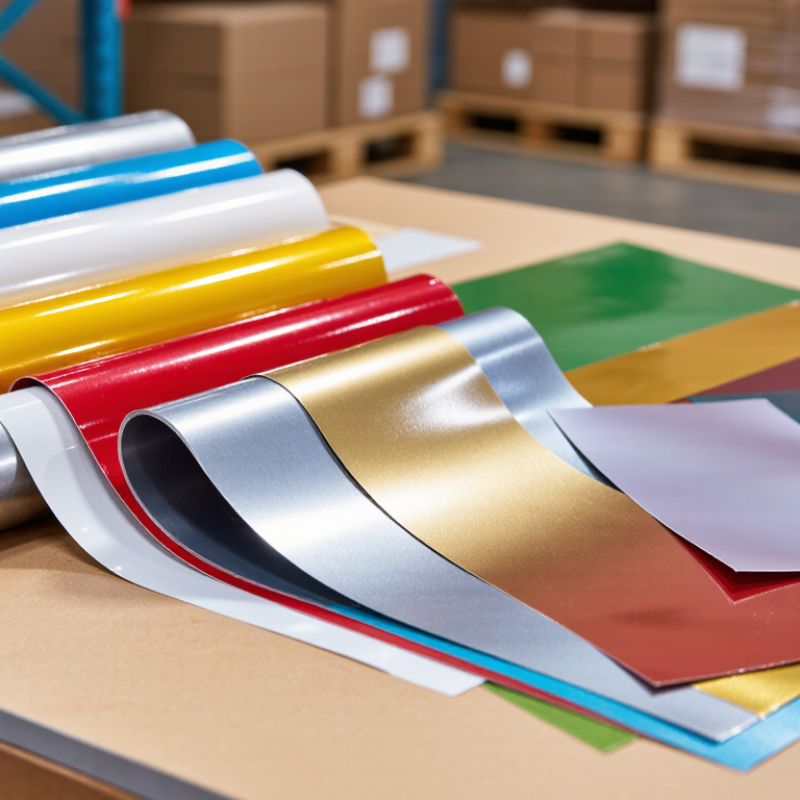
The global reflective vinyl sheet market serves road signage, fleet graphics, work-zone panels, and architectural visibility applications. Demand follows infrastructure spending, urban traffic growth, and stricter night-time safety specifications. Grand View Research reports that the broader reflective materials market continues expanding with transportation and construction activity. Its estimates vary by product definition, however. That matters.
Industry reports commonly divide products into engineer-grade, high-intensity, and prismatic or diamond-grade constructions. Engineer-grade films suit temporary signs and lower-distance viewing. High-intensity sheets provide stronger night visibility. Prismatic structures usually deliver higher retroreflective performance with lower material thickness. Key metrics include coefficient of retroreflection, colour stability, outdoor durability, adhesive strength, and operating temperature.
Smithers and related technical studies emphasize testing after weathering, not only fresh-roll performance. A sheet can look bright in a warehouse and weaken after repeated rain, dust, and ultraviolet exposure. Suppliers should publish measured values, test methods, warranty conditions, and production tolerances. Useful purchasing checks include roll width, liner release, conformability, print compatibility, and lot-to-lot consistency. Regional suppliers may offer faster delivery, while global producers often provide broader grade portfolios and converting capacity. Yet rankings remain imperfect. Public revenue data rarely isolates reflective vinyl sheets from wider sign-material categories, so “top supplier” lists require careful interpretation.
How ASTM D4956 Types I–IX Define Reflective Sheet Performance
ASTM D4956 is the practical filter behind any global reflective vinyl sheet supplier shortlist. It separates Types I–IX by optical construction, application, and minimum retroreflective performance.
Type I uses enclosed glass beads for basic signs.
Type II improves bead performance.
Type III uses encapsulated lenses.
Types IV, V, VII, VIII, and IX mainly use prismatic optics for stronger nighttime brightness.
Type VI is designed for flexible, temporary applications.
Performance is measured through retroreflective coefficient values at defined observation and entrance angles. The result matters on a wet road, not only in a laboratory.
ASTM D4956 testing also examines color, adhesion, flexibility, shrinkage, and weather resistance. The Federal Highway Administration’s 11th Edition MUTCD requires traffic signs to maintain adequate nighttime visibility.
NHTSA reported 40,901 U.S. traffic deaths in 2023, reminding buyers that visibility is a safety factor, not a decorative feature. A Type IX label is not automatically the best choice. Actual sign geometry, cleaning, climate, and viewing distance still change the result.
Tips: Request the current ASTM test report, not only a product brochure. Compare maintained retroreflectivity, not initial brightness. Check samples after moisture and abrasion testing. I would also question unusually high claims without test angles, aging conditions, or independent laboratory evidence. A cheaper Type I sheet may suit a low-speed private site, but it can disappoint on a wide, fast roadway. Supplier quality systems matter, yet field maintenance remains the weak link.
Supplier Comparison Across EN 12899-1, Weathering, and Warranty Data
Top 10 Reflective Vinyl Sheet Suppliers Worldwide
Comparing reflective vinyl sheet suppliers requires more than checking surface brightness. EN 12899-1 documentation should be the starting point. Ask each supplier for the declared performance class, test method, production control details, and independent laboratory reports. A credible supplier can explain how the sheet performs after printing, cutting, and outdoor installation.
Weathering data deserves close attention. Look for ultraviolet exposure results, color retention, adhesion, shrinkage, and coefficient of retroreflection after aging. Natural weathering records are useful, but artificial testing can provide faster comparisons. Check the exposure cycle and test duration. Figures without test conditions are difficult to trust. They look impressive, but prove little.
Warranty terms reveal practical confidence. Compare coverage periods, installation limits, approved substrates, cleaning requirements, and climate exclusions. Some suppliers offer long warranties, yet exclude poor preparation or extreme coastal conditions. Request sample panels and inspect them after several weeks outdoors. That small trial may expose edge lift, fading, or ink compatibility problems. I would not rank a supplier from a brochure alone. Independent verification, traceable batch records, and responsive technical support matter more than polished claims. Even strong data has limits. A supplier with complete evidence is usually safer than one offering the biggest promise.