| Applications and product segments |
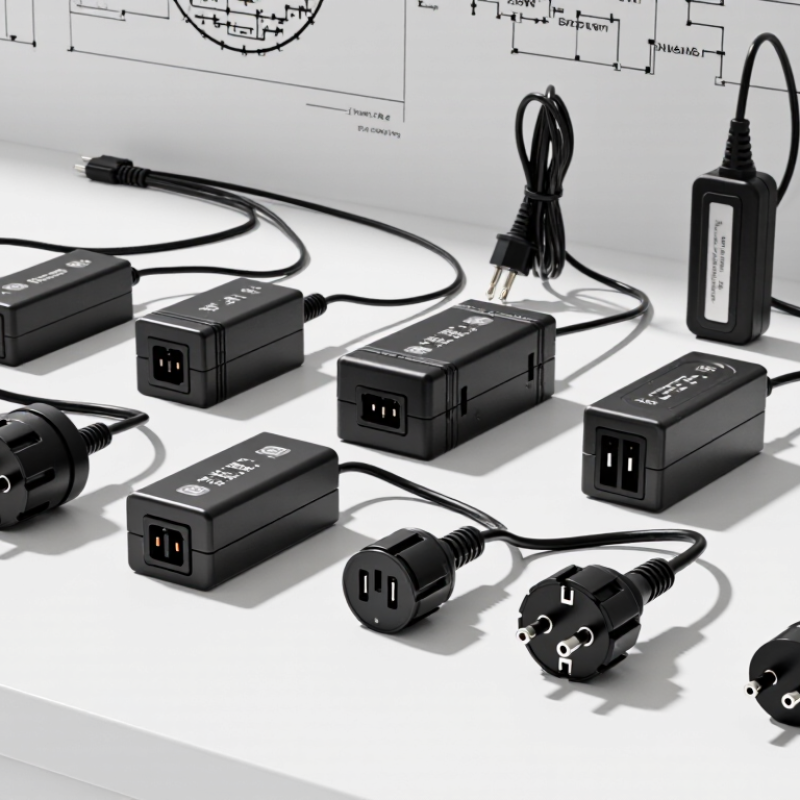
| Travel plug adapters | Connecting a device’s plug to a differently shaped wall socket while travelling. | May combine several plug interfaces in one housing; some models include USB charging ports. | A plug adapter changes plug compatibility, not the supplied mains voltage. Check that the connected device supports the local voltage and frequency. | Products increasingly combine multiple regional plug configurations with USB-A or USB-C charging. |
| USB-C charging adapters | Charging phones, tablets, laptops, and other USB-C devices. | Power delivery depends on the adapter, cable, and connected device. USB Power Delivery supports negotiated power levels. | USB PD 3.1 defines power levels up to 240 W when compatible equipment and cables are used. A product’s actual output may be lower. | Demand is shifting toward USB-C and higher-power single-port or multi-port chargers. |
| Multi-port chargers | Charging several personal electronics devices from one mains outlet. | Multiple USB ports; total available output may be shared or reallocated when devices are connected or disconnected. | Check the stated total output and port-by-port output table; maximum single-port ratings do not necessarily apply to all ports simultaneously. | Compact designs and clearer power-allocation specifications are becoming more important to buyers. |
| Universal AC/DC power supplies | Supplying compatible equipment that accepts an external DC power source. | May offer selectable or fixed DC output, interchangeable tips, or a range of input voltages. | Output voltage, polarity, connector size, current capacity, and required safety approvals must match the equipment. | Manufacturers are focusing on broad input-voltage support and compact, efficient power conversion. |
| Travel charging kits | Charging a mix of phones, computers, cameras, and accessories during international travel. | Often combine a travel plug adapter, charging electronics, and multiple output ports. | Confirm the kit’s mains input rating and the power requirements of every connected device. A travel plug adapter alone does not convert voltage. | Integrated, lightweight kits appeal to travellers seeking fewer separate chargers and accessories. |
| Market and design trends |
| USB-C adoption | Consumer electronics and portable computing. | USB-C connectors can support charging, data, and other functions; capabilities depend on the device and cable. | USB-C describes the connector type; it does not by itself guarantee USB PD support or a particular charging wattage. | Interoperability and clear labeling of supported protocols and output power are increasingly important. |
| Higher power density | Compact chargers for laptops and multiple devices. | Designs aim to deliver more power in smaller enclosures while managing heat and electrical safety. | Performance depends on the complete design, components, thermal limits, and applicable safety requirements. | Smaller form factors are a recurring development goal, alongside reliability and thermal management. |
| International compliance | Products sold or used across multiple countries and regions. | Input ratings, plug configurations, documentation, and markings may differ across markets. | Applicable safety, electromagnetic compatibility, and national requirements depend on the destination market and product type. | Export-oriented suppliers need market-specific testing, documentation, and product configurations. |
| Energy efficiency | Adapters and chargers used regularly at home, in offices, and while travelling. | Efficiency and no-load power consumption vary by design and operating conditions. | Efficiency claims should be assessed against the relevant test method and regulatory requirements for the target market. | Energy use and compliance are continuing considerations in product development and procurement. |
| Safety and product traceability | Retail, e-commerce, business procurement, and private-label supply. | Product labels should clearly state electrical ratings, port output, and manufacturer or responsible-party information as required. | Use products with appropriate market approvals and protection against relevant electrical hazards; avoid relying on appearance alone. | Buyers increasingly evaluate documentation, quality control, and traceability alongside price and features. |