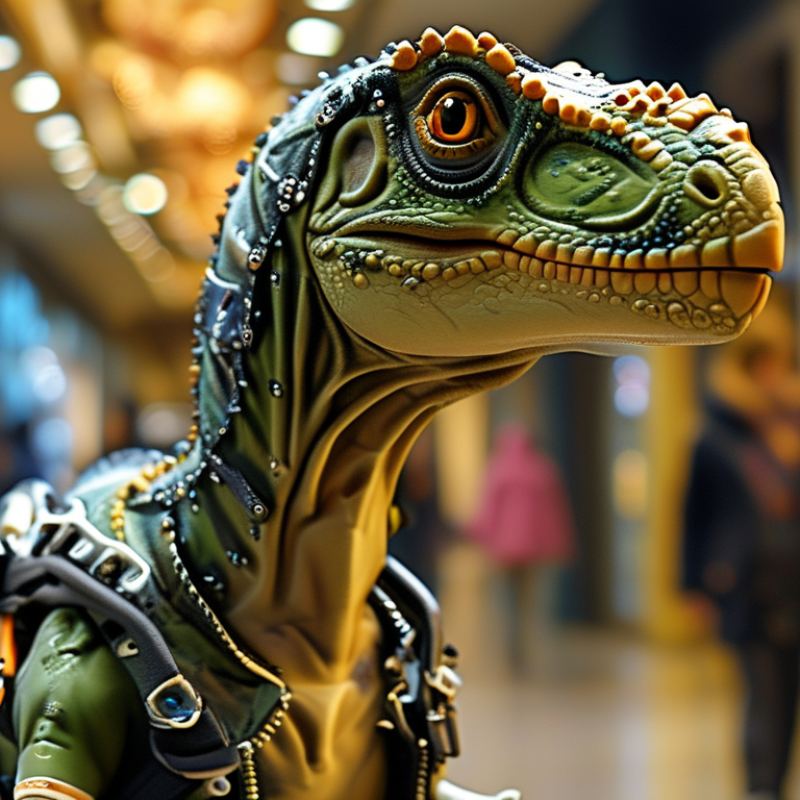
| Dinosaur Species and Appearance | Tyrannosaurus, Velociraptor, Triceratops, Stegosaurus, and other popular prehistoric reptiles. | Species selection Skin texture Color scheme Eye shape Teeth design | Designs can be developed from reference images, sketches, or digital 3D artwork. | A detailed reference package helps reduce differences between the approved design and the finished costume. |
| Overall Dimensions | Compact costume formats designed for one performer and indoor or outdoor demonstrations. | Body length Head size Leg height Tail length | Many wearable designs are approximately 2–5 m long, depending on the species and required visual effect. | The performer’s height, venue access, storage area, and transport method should be confirmed before production. |
| Performer Fit and Harness | Adjustable internal harness with padded contact points and hand grips. | Harness size Waist support Shoulder straps Quick-release parts | Adjustability is commonly designed around the performer’s height, waist, shoulder width, and costume weight. | A fitting sample or measurement sheet is recommended for long performances and repeated daily use. |
| Exterior Materials | Lightweight fabric, foam, sponge, rubber, and flexible coated materials. | EVA foam Latex or silicone details Water-resistant fabric Synthetic skin | Material selection varies according to flexibility, weight, durability, surface realism, and budget. | Outdoor use generally requires stronger seams, better moisture resistance, and UV-conscious color selection. |
| Mechanical Movement | Manual movement of the head, jaw, arms, legs, and tail through the performer’s body motion. | Moving jaw Blinking eyes Head rotation Tail movement Neck movement | Movement may be manual, cable-operated, pneumatic, or servo-assisted, depending on the design. | More moving parts can increase realism but also add weight, maintenance requirements, and production complexity. |
| Electronic Effects | Basic internal lighting or simple sound playback may be included in upgraded configurations. | LED eyes Sound module Speaker placement Remote control Rechargeable battery | Battery-powered systems are commonly selected for mobile demonstrations where mains power is unavailable. | The battery location, charging method, operating time, and electrical protection should be specified in advance. |
| Sound and Voice Effects | Pre-recorded dinosaur calls or basic roar effects. | Custom audio files Volume control Multiple sound tracks Trigger buttons | Audio can be programmed for timed playback or activated manually by the performer. | Volume should be suitable for the intended environment and should not obstruct communication between the performer and staff. |
| Visibility and Ventilation | Concealed viewing openings and internal airflow space around the performer’s head and torso. | Mesh eye openings Hidden camera Ventilation fans Anti-fog panels | Ventilation solutions may include mesh panels, passive vents, or compact battery-powered fans. | Clear sightlines, airflow, heat management, and emergency removal access are important for safe operation. |
| Color and Finishing | Natural earth tones such as green, brown, gray, beige, or dark red. | Pantone reference Airbrushing Gloss level Scales and spots Aging effects | Color matching is normally based on physical samples, Pantone references, or approved digital artwork. | Lighting conditions can affect perceived color, so approval under the intended venue lighting is useful. |
| Safety and Structural Features | Reinforced internal frame, padded edges, secure fasteners, and stable performer support. | Reinforced joints Non-slip soles Fire-retardant materials Emergency openings | Safety specifications depend on the venue, local regulations, materials, and whether the costume is used indoors or outdoors. | A written inspection checklist should cover fasteners, cables, batteries, seams, visibility, and ventilation before each use. |
| Portability and Packaging | Costume supplied as several removable or foldable sections for transportation. | Detachable tail Collapsible frame Protective case Spare parts kit | Final package size depends on the longest rigid component, frame structure, and protective packaging requirements. | Confirm carton dimensions and gross weight before arranging international shipping or venue delivery. |
| Branding and Promotional Details | Neutral, non-branded costume surface. | Custom color layout Removable signs Event accessories Matching display props | Promotional elements can be designed as detachable components to protect the main costume during repeated use. | Any logos, artwork, or copyrighted character references should be supplied or approved by the rights holder. |
| Sampling and Production Process | Design confirmation followed by prototype production, review, adjustment, and final manufacture. | 2D drawings 3D renderings Prototype fitting Video inspection | Production schedules commonly range from several weeks to multiple months, depending on customization and order quantity. | A documented approval process helps control changes to dimensions, materials, functions, and finishing details. |
| Maintenance and Replacement Parts | Basic cleaning and adjustment instructions with commonly replaceable fasteners or fabric sections. | Spare batteries Replacement fabric Extra fasteners Repair tools Maintenance guide | Replaceable components may include straps, zippers, cables, LEDs, batteries, foam sections, and surface coverings. | Requesting spare parts with the initial order can reduce downtime during touring, exhibitions, and high-frequency performances. |