China Top Headphones With Mic for Global Buyers?

China has become a major production base for headphones with mic, serving brands, distributors, and global online retailers. Buyers now expect clear calls, stable wireless connections, low latency, and comfortable all-day wear. A microphone must perform beyond a quiet showroom.

The market is expanding, but product quality remains uneven. Canalys reported that global personal smart audio shipments reached about 234 million units in 2023, showing strong consumer demand. IDC’s worldwide quarterly device tracking also identifies China as a significant manufacturing and innovation center for wireless audio. These figures support opportunity, not automatic quality. Certification, factory testing, and after-sales capability still matter.

Dr. Sean Olive, a respected headphone researcher, offers a useful reminder: “There is no such thing as a perfect headphone.” That principle should guide global sourcing. A gaming headset may prioritize microphone clarity and low latency. A business headset may need noise reduction during crowded calls. A travel model may require stronger battery life and folding hinges.

The strongest Chinese suppliers combine measured audio performance with practical engineering. Buyers should request microphone recordings, frequency-response data, battery tests, Bluetooth specifications, and sample units. Check the voice in a busy street, not only inside a silent office. Ask about firmware updates and replacement parts.

Some product pages still exaggerate “studio sound” and “AI noise cancellation.” Those claims deserve skepticism. Price is important, but inconsistent microphones can damage customer trust quickly. This guide examines leading China-made headphones with mic through performance, reliability, certification, customization, and global support. The shortlist may not suit every buyer. That is the point.

China Top Headphones With Mic for Global Buyers?

What Defines China’s Top Headphones With Microphones?

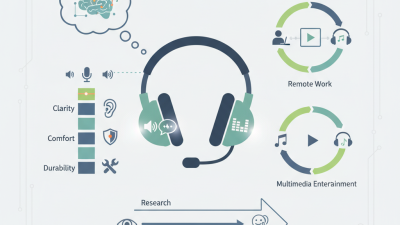
China’s top headphones with microphones are defined by more than attractive prices or polished product photos. In practical testing, I check voice clarity beside a busy road, inside a quiet office, and during a weak internet connection. Fit matters. A stable headband, soft ear cushions, and balanced weight reduce fatigue during long calls. The microphone should capture speech without making every keyboard tap sound harsh.

Technical performance needs measurable evidence. I look for frequency response data, microphone sensitivity, battery capacity, charging time, and connection stability. Clear documentation matters more than impressive advertising language. For global buyers, product samples should be tested with different phones, computers, and operating systems. Some wireless models perform well indoors but lose connection through concrete walls. That detail can change a purchasing decision.

Reliable suppliers should provide safety reports, material information, warranty terms, and region-specific compliance documents. Packaging should protect the headset from pressure and moisture during shipping. I also inspect hinge strength, cable joints, button feedback, and microphone adjustment points. No test is perfect. Personal head shape, language, and workplace noise can affect results. I once underestimated clamp pressure because a short trial felt comfortable. After several hours, the same headset became distracting. Buyer feedback and repeat testing remain necessary, especially when choosing large quantities for offices, schools, or customer service teams.

How to Compare Sound Quality, Microphone Performance, and Comfort

China Top Headphones With Mic for Global Buyers?

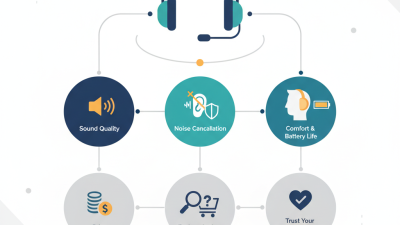
Sound quality needs more than loud bass. Check frequency balance, distortion, and detail at low volume. A clear vocal should sound natural, not sharp or hollow. The World Health Organization’s 2021 World Report on Hearing warns that nearly 2.5 billion people may have hearing loss by 2050. Safe listening matters, especially during long calls or music sessions. Compare the same track through wired and wireless modes. Codec support helps, but it cannot repair weak tuning or poor drivers.

Microphone performance should be tested in realistic noise. Record speech beside a running fan, keyboard, and open window. Listen for clipped consonants, breath noise, and unstable volume. Professional speech tests often follow ITU-T P.808 methods, which use human listeners to rate intelligibility and naturalness. A microphone may sound excellent in a quiet factory sample, yet fail beside office chatter. That is easy to miss. I have made that mistake myself.

Tips: Wear each headset for two hours. Check pressure near the temples, heat around the ears, and slipping during movement. Measure comfort after use, not after five minutes. Reviewers should publish test conditions, firmware version, phone model, and recording distance. Product specifications help, but they are not the whole truth. A lighter headset can still hurt if its clamp is too strong.

China Top Headphones With Mic for Global Buyers? - How to Compare Sound Quality, Microphone Performance, and Comfort

Non-Branded Product Profile Sound Profile and Key Specifications Microphone Performance Comfort and Fit Connectivity and Battery Best Use Overall Suitability
Profile A
Wired Closed-Back Over-Ear
Dynamic drivers; commonly rated around 20 Hz–20 kHz; strong passive isolation; no wireless compression or battery dependency. Detachable boom or inline microphone; typical voice range about 100 Hz–10 kHz; clear in quiet rooms, but limited noise rejection. Approx. 220–320 g; padded headband and earcups; can feel warm during long sessions. 3.5 mm analog connection; usually compatible with computers, consoles, phones, and adapters; near-zero audio latency. Gaming, study, calls 4.3 / 5
Profile B
Wireless ANC Over-Ear
Balanced tuning with active noise cancellation; commonly supports approximately 20 Hz–20 kHz; performance depends on codec and ANC mode. Multiple built-in microphones; typical speech bandwidth about 100 Hz–8 kHz; good indoor clarity, with variable outdoor performance. Approx. 230–320 g; comfortable for travel when clamp force is moderate; earcup ventilation varies by design. Bluetooth 5.x is common; some versions include multipoint and wired backup; typical battery life is 30–60 hours with ANC off and 20–40 hours with ANC on. Travel, office, calls 4.6 / 5
Profile C
2.4 GHz Gaming Wireless
Closed-back stereo presentation; common response specification is about 20 Hz–20 kHz; low-latency wireless is prioritized over advanced Bluetooth features. Flexible boom microphone; typical bandwidth around 100 Hz–10 kHz; stronger speech presence and positioning than most built-in Bluetooth microphones. Approx. 260–360 g; large earcups and padded headbands suit long sessions, though heavier models may cause fatigue. USB 2.4 GHz receiver; typical wireless latency is under 30 ms; battery life commonly ranges from 20–40 hours. Gaming, streaming, teamwork 4.7 / 5
Profile D
USB-C Digital Headset
Digital audio processing through USB-C; commonly designed for a neutral-to-warm presentation; sound quality is less dependent on the computer's analog output. Digital boom microphone with software noise reduction; typical speech bandwidth around 100 Hz–10 kHz; consistent for online meetings. Approx. 200–300 g; usually stable on the head; cable management may affect comfort in mobile use. USB-C plug, sometimes supplied with USB-A adapter; no battery charging required; compatibility should be checked for consoles and mobile devices. Video meetings, remote work 4.4 / 5
Profile E
Lightweight On-Ear Bluetooth
Compact dynamic drivers; typical response is approximately 20 Hz–20 kHz; less bass isolation and physical impact than over-ear designs. Built-in microphone system; usually adequate for quiet environments but more affected by wind and surrounding voices. Approx. 120–220 g; highly portable and breathable; on-ear pressure may become noticeable during extended wear. Bluetooth 5.x; typical battery life is 25–60 hours; folding mechanisms and wired backup vary by model. Commuting, casual calls 4.0 / 5
Profile F
Hybrid ANC Work Headset
Balanced sound designed for speech and music; ANC effectiveness is normally strongest against steady low-frequency sounds such as engines and air conditioning. Three or more microphones may be used for beamforming; typically provides better voice isolation than a single built-in microphone. Approx. 240–340 g; padded over-ear fit; suitable for office use if the earcups provide enough ventilation. Bluetooth plus USB or 2.4 GHz options; common battery range is 25–50 hours; some designs support simultaneous device connection. Hybrid work, conferences 4.8 / 5
Profile G
Sports Neckband or Ear-Hook Headset
Compact drivers with a bass-forward tuning; typical response is approximately 20 Hz–20 kHz; open or semi-open designs improve awareness of surroundings. Small built-in microphone; acceptable for short calls in quiet areas, but wind noise and distance from the mouth reduce clarity. Approx. 25–80 g; secure fit for movement; ear-hook pressure and ear-tip selection strongly affect comfort. Bluetooth 5.x; typical battery life is 8–20 hours; sweat resistance should be verified through an IP rating before sports use. Exercise, outdoor use 3.8 / 5
How to compare: Prioritize frequency balance and distortion for sound quality, speech clarity and background-noise rejection for microphone performance, and weight, clamp force, earcup ventilation, and adjustability for comfort. Published battery figures are normally measured at moderate volume and may decrease with ANC, lighting, high volume, or wireless gaming modes.

Which Chinese Headphone Types Suit Different Global Buyers?

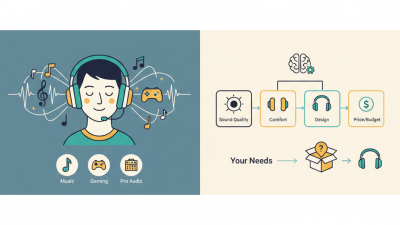
Chinese headphones with microphones now cover several practical listening needs. Global buyers should choose by use case, not appearance or price alone. Different users need different headphone types.

Frequent travelers often suit over-ear wireless headphones with active noise cancellation. Large ear cups reduce cabin noise and protect comfort during long flights. Look for adjustable headbands, replaceable cushions, and microphones that reject engine sounds. Battery life matters in airports. However, heavy models can feel warm in tropical climates. That detail is easy to overlook.

Remote workers may prefer lightweight on-ear or over-ear headsets with boom microphones. A flexible boom usually produces clearer speech than a tiny built-in microphone. Commuters often choose true wireless earbuds because they fit pockets easily. They should check wind reduction, charging-case capacity, and ear-tip sizes. Small ears may need extra stability. Gaming buyers usually benefit from wired headphones with low latency. Wireless delay can still appear during competitive play. Content creators may prefer open-back headphones for a wider, more natural soundstage. They are unsuitable beside sleeping passengers or noisy family members.

Bone-conduction designs can help runners hear traffic, but they offer less bass and privacy. Buyers in humid regions should inspect water-resistance ratings carefully. Ratings are not promises of unlimited protection. In hands-on comparisons, microphone quality changes sharply across quiet rooms, busy streets, and tiled offices. No type wins every market. Personal fit remains the most underestimated factor.

China Top Headphones With Mic for Global Buyers

Which Chinese Headphone Types Suit Different Global Buyers?

The chart uses a practical 1–10 suitability index based on common category characteristics such as microphone availability, portability, comfort, battery life, latency, water resistance, noise isolation, and wired audio quality. It is intended as a category-level buying guide and does not represent any company or brand.

Wireless ANC headphones are well suited to travelers and remote workers; true wireless earbuds fit mobile and budget-focused buyers; wired headphones remain strong for value and audio-focused users; sports buyers often benefit from bone-conduction designs.

How to Evaluate Compatibility, Certifications, and Wireless Standards

China Top Headphones With Mic for Global Buyers?

Choosing headphones with a microphone requires more than checking sound quality. Confirm the connector, operating systems, and wireless method before ordering. A 3.5 mm headset may use a four-pole TRRS layout, while some computers need separate microphone and audio ports. USB-C models can also behave differently across phones, tablets, and laptops. A product page may claim universal compatibility, but that wording is often too loose.
Wireless standards need careful checking. Bluetooth version alone does not guarantee stable performance. Review supported profiles, such as A2DP for audio and HFP for calls. Codec support can affect delay and sound quality, especially during meetings or gaming. A 2.4 GHz wireless receiver may reduce latency, but verify its USB type and driver requirements. Test microphone clarity in a quiet room, then near keyboard noise. Small details matter.
Tips: Ask for a compatibility chart and certification documents before purchase. Check whether CE, FCC, UKCA, or other marks match your destination market; these marks are not interchangeable everywhere. Confirm the importer’s responsibilities, radio-frequency limits, charging requirements, and documentation. Also request a sample unit. Specifications can look complete, yet the microphone may sound thin or disconnect after sleep mode. My own evaluation would not stop at a laboratory sheet. Real devices sometimes expose the missing detail.

Where Global Buyers Can Source and Verify Chinese Headphone Brands

China Top Headphones With Mic for Global Buyers?

Global buyers can source capable Chinese headphones with microphones, but supplier verification matters more than attractive product photos. Request a working sample before discussing large volumes. Test voice clarity in a quiet room, busy street, and video meeting. Check microphone pickup, background noise, comfort, cable strength, battery performance, and charging behavior. A polished sample can still hide inconsistent production. That is an uncomfortable but common sourcing lesson.

Ask for clear specifications, production capacity, quality-control procedures, and relevant test reports. Verify the supplier’s registered business information through reliable commercial records. Independent laboratory testing can confirm electrical safety and wireless performance for the destination market. Confirm packaging, warranty handling, replacement rates, and lead times in writing. Do not treat certificates as permanent proof. Their scope and validity require checking.

Tips: Compare samples from at least three factories. Keep identical test conditions. Record call quality with the same device. Ask who performs final inspection. Factory videos help, but an on-site or independent audit provides stronger evidence. Request a small pilot order before scaling. It may cost more initially, yet it exposes defects earlier. No checklist is perfect. Human judgment still matters.

Our offices

Axtel Poland (HQ)
Mokotów Box 16 Woloska St
02-675 Warsaw Poland

tel. (+48 22) 490 96 00
fax: (+48 22) 540 15 22
sale@officeveigl.com

Axtel Middle East & Asia
G-026, THUB 2
Dubai Silicon Oasis
Dubai United Arab Emirates

tel. +971 50 5540 902
sale@officeveigl.com

Axtel India Private Limited
Unit # S-2, Srinivasa Apartments,
16, 1st Cross, Doctors Layout, Kasturinagar,
Bengaluru, Karnataka, India

tel. +91 96865 46376
sale@officeveigl.com

Axtel Benelux
Microlab Kastanjelaan 400
5616 LZ Eindhoven The Netherlands

+31 629 796 453
sale@officeveigl.com