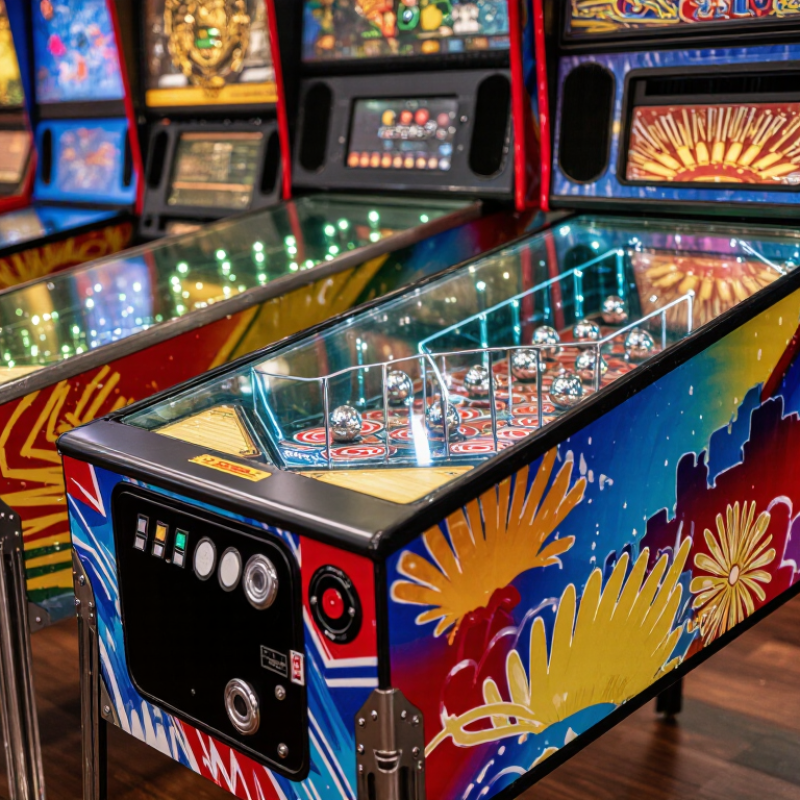
| New machine purchase price | Approximately $6,000–$12,000 | New machines generally include modern electronics, current software, a manufacturer warranty, and fewer immediate repair needs. Final pricing varies by playfield complexity, display technology, and availability. |
| Used machine purchase price | Approximately $1,500–$8,000 | Condition, age, rarity, cabinet wear, playfield condition, and documented service history have a major effect on value. A low purchase price may be offset by restoration or repair costs. |
| Entry-level digital cabinet | Approximately $500–$2,500 | Digital cabinets can offer multiple virtual tables and easier content updates, but screen quality, computer hardware, software licensing, and technical support should be checked carefully. |
| Shipping and freight delivery | Approximately $300–$1,200 within the continental U.S. | The cost depends on distance, shipment weight, residential delivery, delivery speed, and whether a liftgate or appointment service is required. Remote locations and international delivery can cost substantially more. |
| Inside delivery or room placement | Approximately $100–$500 additional | Standard freight often delivers only to the curb or driveway. Inside placement, unpacking, debris removal, and stair service should be confirmed before payment. |
| Typical machine weight | Approximately 250–350 lb (113–159 kg) | Plan for at least two strong adults or professional movers. Some machines can be partially disassembled, but the procedure varies by model and should follow the service manual. |
| Assembled footprint | Approximately 56–59 in. long × 27–30 in. wide | Measure doorways, hallways, elevators, and turns before ordering. Account for packaging dimensions, which are larger than the assembled cabinet. |
| Playing clearance | At least 24 in. behind the machine and 36 in. in front | Rear clearance allows access to the service panel and power connection. Front clearance provides comfortable standing room and safer gameplay. |
| Floor and leveling requirements | Solid, level floor; adjustable leg levelers required | Avoid unstable platforms and thick carpeting that allows movement. Correct leveling helps the ball follow the intended playfield paths and reduces mechanical stress. |
| Electrical requirements | Standard grounded household outlet; commonly 100–240 V depending on market | Use the voltage specified on the machine label. Avoid overloaded power strips, extension cords that are not rated for the load, and ungrounded outlets. |
| Initial setup time | Approximately 30–90 minutes | Typical tasks include attaching legs, installing the backbox, connecting cables, removing shipping protection, leveling the cabinet, and performing a test game. |
| Professional setup service | Approximately $200–$600 | A professional service may include delivery, assembly, leveling, functional testing, and packaging removal. Stair access and long-distance travel may add charges. |
| Routine cleaning | Every 1–3 months, or more often with heavy use | Use a soft, lint-free cloth and cleaner approved for the playfield surface. Keep liquids away from circuit boards, displays, switches, and connectors. |
| Rubber or ring replacement | Approximately $30–$150 for parts; $150–$400 with labor | Rubber components gradually harden, crack, or lose elasticity. Replacement intervals commonly range from 1–5 years depending on use, storage conditions, and material quality. |
| Common replacement parts | Approximately $5–$250 per part | Frequently replaced items include lamps or LEDs, fuses, switches, coils, flipper components, belts, opto-sensors, balls, and small plastic parts. |
| Annual maintenance budget | Approximately $100–$500 for normal home use | The amount depends on play frequency, machine age, parts availability, and whether the owner performs basic service or hires a technician. |
| Major repair or restoration reserve | Approximately $500–$2,500 or more | Older or heavily used machines may require board repair, display replacement, cabinet work, playfield restoration, or several mechanical repairs at once. |
| Energy consumption | Usually about 0.1–0.3 kWh per hour while powered on | Actual consumption depends on display type, lighting, sound, active motors, and standby settings. Turning the machine off when not in use reduces electricity use. |
| Climate and storage conditions | Dry indoor environment; approximately 40%–60% relative humidity preferred | Avoid garages, damp basements, direct sunlight, and extreme temperature changes. Moisture can damage wood cabinets, metal parts, displays, and electronics. |
| Pre-purchase inspection checklist | Test every flipper, switch, target, light, display, sound function, and coin or free-play setting | Check for corrosion, cracked plastics, lifting artwork, playfield wear, missing parts, altered wiring, non-original repairs, and error messages. Request service records and a video of the machine operating. |