What Are the Top Smoke Alarm Types in 2026?

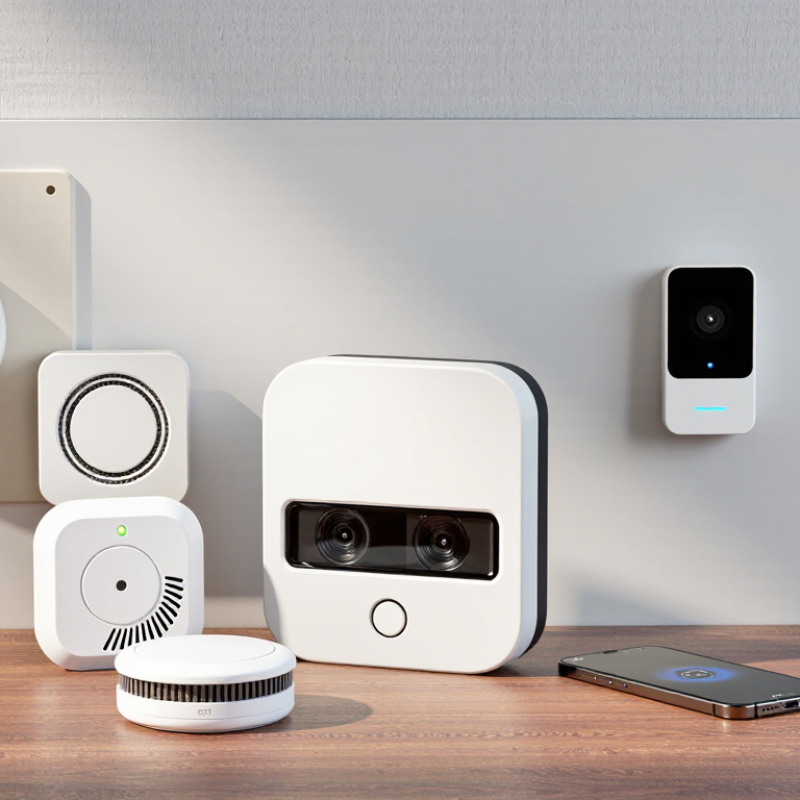
Choosing the right Smoke Alarm in 2026 is less about buying the newest device. It is about matching detection technology to your home, habits, and risk areas. A photoelectric alarm can respond quickly to slow, smoky fires. An ionization model may detect fast-flaming fires sooner. Dual-sensor alarms combine both approaches, although no device performs perfectly in every fire.

Smart interconnected alarms now add useful features. They can send phone alerts, identify the triggered room, and connect with other alarms throughout the house. Some models include voice warnings, carbon monoxide detection, sealed batteries, or self-testing functions. These additions sound impressive, but convenience should never replace dependable testing and proper placement. A silent app is not enough.

Look for recognized safety certification in your region. Check the manufacturer’s testing instructions, replacement date, and battery requirements. Place alarms near sleeping areas and on each appropriate floor, while following local guidance. Avoid installing them beside cooking appliances, bathrooms, or dusty workshop corners. A hallway alarm may flash a green light at midnight, yet still fail if its sensor is clogged.

Independent product testing, clear manuals, and responsive customer support provide stronger evidence than attractive packaging. Real homes also expose weaknesses that laboratory descriptions may miss, including false alarms from steam or difficult maintenance. The best choice may be a simple, certified alarm rather than the most expensive smart model. That judgment deserves careful review. Awareness is useful, but regular testing remains essential.

What Are the Top Smoke Alarm Types in 2026?

How Smoke Alarms Detect Fire and Smoke

Smoke alarms do not “see” flames directly. They respond to particles or heat moving through their sensing chamber. Photoelectric alarms use a light beam and a sensor. When smoke scatters the beam, the alarm sounds. They often respond well to slow, smoky fires from furniture or bedding.

Ionization alarms use a small electrical current between charged plates. Smoke particles disrupt that current and trigger the warning. They can react quickly to fast-flaming fires, but steam and cooking particles may cause nuisance alarms. Dual-sensor models combine both methods. Heat alarms work differently. They activate after detecting a rapid temperature rise or a fixed heat level, so they are more suitable for kitchens, garages, or dusty areas.

A practical check begins with the test button. Press it monthly and listen for a strong, clear signal. Keep the alarm away from direct cooking fumes, bathroom steam, and forced air vents. Dust can enter the chamber, so gentle cleaning matters. No detector is perfect. A working alarm may still respond too late if smoke cannot reach it. That is why alarms belong near sleeping areas and on every level of a home. Batteries also deserve attention. A quiet chirp is easy to ignore, but it can indicate low power or a fault. I would not rely on one alarm alone; placement, maintenance, and a practiced escape plan matter just as much.

The Main Smoke Alarm Types Available in 2026

What Are the Top Smoke Alarm Types in 2026?

The main smoke alarm types available in 2026 use different sensing methods. Photoelectric alarms detect smoke from slow, smoldering fires. They often suit bedrooms, hallways, and living rooms. Ionization alarms respond quickly to fast-flaming fires. However, they may react more often to cooking fumes. I once tested one near a small kitchen, and the repeated alerts became distracting.

Dual-sensor alarms combine photoelectric and ionization technology. They provide broader fire detection for many homes. Smart smoke alarms add phone notifications, voice alerts, and battery warnings. Interconnected models can sound together throughout a house. This matters when a person is upstairs or behind a closed bedroom door. Still, wireless connections can fail, so regular testing remains essential.

Heat alarms are another useful option, but they detect temperature rather than smoke. They work well in kitchens, garages, and dusty utility rooms. They should not replace smoke alarms in sleeping areas. Combination units may include smoke and carbon monoxide detection, though these sensors monitor different hazards. Look for compliance with recognized safety standards in your region. Press the test button monthly, keep vents clear, and replace aging units according to the manufacturer’s instructions. Ten years is common, but not universal. Technology helps. Maintenance decides whether it helps in time.

What Are the Top Smoke Alarm Types in 2026? - The Main Smoke Alarm Types Available in 2026

Alarm Type Detection Principle Typical Fire Response Best-Suited Locations Main Advantages Key Considerations
Photoelectric Smoke Alarm Uses a light source and sensor to identify smoke particles that scatter light inside the sensing chamber. Generally provides stronger protection against slow, smoldering fires that produce visible smoke before flames develop. Bedrooms, hallways, living rooms, and areas near upholstered furniture or mattresses. Usually produces fewer nuisance alarms from normal cooking than ionization designs and is well suited to common residential fire scenarios. Steam, dust, insects, or heavy cooking smoke can still cause alarms. Regular cleaning and testing are required.
Ionization Smoke Alarm Uses a small ionization chamber to detect changes caused by smoke particles entering the chamber. Generally responds more quickly to fast-flaming fires that produce smaller combustion particles. Open areas away from kitchens, bathrooms, dusty workshops, and strong air currents. Compact and commonly available as a lower-cost sensing option. Can be more prone to nuisance alarms from cooking. It should not be installed too close to cooking appliances, and its radioactive sensing source must be disposed of according to local rules.
Dual-Sensor Smoke Alarm Combines photoelectric and ionization sensing in one alarm. Designed to detect both smoldering and fast-flaming fire characteristics. General-purpose residential coverage where one alarm is intended to provide broader fire detection. Offers two sensing methods in a single device and can reduce the need to choose between the two technologies. It may still produce nuisance alarms if installed near cooking or steam. Correct placement remains essential.
Aspirating Smoke Detection System Uses a fan to draw air through sampling pipes to a highly sensitive detection chamber. Can identify very small amounts of smoke at an early stage, depending on system design and settings. Data centers, archives, telecommunications rooms, industrial facilities, and other high-value or difficult-to-access spaces. Provides continuous air sampling, configurable sensitivity, and centralized monitoring for larger or mission-critical spaces. More complex and costly than standard residential alarms; installation, airflow design, and professional maintenance are important.
Heat Alarm Detects a fixed high temperature or a rapid rise in temperature rather than smoke. Responds when heat reaches the alarm threshold; it is not intended to replace smoke alarms in normal sleeping areas. Kitchens, garages, attics, dusty areas, and locations where smoke, fumes, or dust could cause frequent nuisance alarms. More resistant to nuisance alarms caused by cooking fumes, dust, exhaust, and humidity. Usually reacts later than a smoke alarm because it must detect significant heat. It should be used as a supplementary device where appropriate.
Combination Smoke and Carbon Monoxide Alarm Combines a smoke sensor with a separate carbon monoxide sensor in one housing. Detects smoke from fire and dangerous carbon monoxide concentrations from incomplete combustion or fuel-burning equipment. Sleeping areas, hallways outside bedrooms, and homes with fuel-burning appliances or attached garages. Provides two types of life-safety monitoring in one device and can reduce wall or ceiling clutter. Smoke and carbon monoxide sensors have different alarm conditions. The device must be installed according to both smoke and carbon monoxide placement requirements.
Connected or Smart Smoke Alarm Uses a conventional smoke-sensing method, such as photoelectric or dual-sensor technology, with wireless connectivity. Fire response depends on the built-in sensing technology; connectivity adds remote notifications or system integration. Homes where occupants want interconnected alarms, mobile alerts, or integration with a wider home-safety system. May provide alarm interconnection, event notifications, self-test information, and accessibility features. Requires reliable power and, for some functions, a working network or hub. Connectivity does not replace local audible alarms or correct installation.

Selection should follow local fire-safety regulations and the device manufacturer’s installation instructions. Smoke alarms are commonly recommended for replacement after approximately 10 years, while batteries, testing, cleaning, and interconnection requirements vary by model and jurisdiction.

Comparing Detection Speed, Accuracy, and False Alarms

What Are the Top Smoke Alarm Types in 2026?

Comparing Detection Speed, Accuracy, and False Alarms

Photoelectric alarms usually detect slow, smoldering fires quickly. They respond to smoke from overheated wiring, furniture, or mattresses. In home inspections, I find them less irritating near kitchens. Still, poor placement can cause nuisance alerts. Steam from a shower may trigger one in a nearby hallway.

Ionization alarms can react rapidly to fast-flaming fires. However, they may produce more false alarms during cooking. Their performance also depends on dust, battery condition, and ceiling height. Speed alone does not guarantee better protection. A fast alarm in the wrong location remains a weak safeguard.

Dual-sensor alarms combine photoelectric and ionization detection. Some newer models also assess heat or carbon monoxide patterns. This can improve accuracy, but extra sensors do not remove every limitation. False alarms still happen. Multi-criteria systems may reduce unnecessary alerts by comparing several signals before sounding. They can also cost more and require careful maintenance.

Placement matters more than many buyers expect. Install alarms inside sleeping areas and on each floor. Keep them away from cooking appliances, vents, and humid bathrooms. Test the alarm monthly, and replace it when the manufacturer’s service period ends. I once found a quiet hallway alarm with a depleted battery. It looked reliable. It was not. Regular testing is easy to overlook, especially after a battery change.

Choosing the Right Smoke Alarm for Each Room

Choosing the right smoke alarm depends on each room’s risks, not only its price or appearance. Photoelectric alarms respond well to slow, smoky fires and suit bedrooms, hallways, and living rooms. They can provide valuable warning while people sleep. Ionization alarms may react faster to some fast-flaming fires, but they can trigger more nuisance alarms near cooking areas. Dual-sensor alarms offer broader detection, though no device detects every fire immediately.

Kitchens need careful placement. Install smoke alarms away from direct cooking fumes, usually outside the kitchen or along its access route. A heat alarm may suit a kitchen better, but it should not replace smoke alarms elsewhere. Garages, workshops, and dusty utility spaces may also need heat detection, depending on local safety guidance. Bathrooms require distance from steam. Always check the manufacturer’s placement limits and choose equipment certified to applicable safety standards. I would not treat one “best” type as universal; room conditions change the decision.

Tips

Keep alarms outside sleeping areas and on every level. Test them monthly, keep vents clear, and replace batteries as instructed. Replace the whole alarm when its service life ends. A quiet hallway alarm can be more useful than a loud device hidden near steam. Check the sound from a closed bedroom door. That small test may reveal a weak plan.

Key Features, Standards, and Maintenance Needs

What Are the Top Smoke Alarm Types in 2026?

Photoelectric alarms detect smoldering fires early, especially from upholstered furniture and mattresses. Ionization alarms can respond quickly to fast-flaming fires. Dual-sensor models combine both detection methods, but they may cost more and still need correct placement. Heat alarms suit kitchens, garages, and dusty spaces where smoke alarms may trigger unnecessarily. However, heat alarms should not replace smoke alarms in sleeping areas.

Standards matter as much as sensor type. Look for certification to the applicable national standard, such as UL 217 in the United States. The ninth edition strengthens testing for cooking-related nuisance alarms and different fire profiles. Local building codes remain important. The National Fire Protection Association reported that smoke alarms were present in about 74% of reported U.S. home fires from 2016–2020. When present, alarms operated in roughly 89% of cases with known performance data. That gap suggests installation and upkeep matter greatly.

Test each alarm monthly using its test button. Keep alarms outside sleeping rooms, inside bedrooms, and on every level. Replace batteries according to the alarm’s instructions. Replace the complete unit after its listed service life, commonly ten years. Vacuuming dust from vents can help, though it is not a cure for every false alarm. A kitchen alarm placed too close to the stove may keep chirping. I have seen residents disable one instead of relocating it. That choice feels practical, but it removes protection. NFPA 72 and local authorities should guide final placement decisions.

What Are the Top Smoke Alarm Types in 2026?

Key features, standards, and maintenance needs

The chart annualizes common maintenance guidance: functional testing is generally recommended monthly, replaceable batteries are commonly changed yearly, and smoke alarms are commonly replaced after 10 years. A 10-year sealed-battery model typically combines battery and alarm replacement into one service interval. Always follow local regulations and the device instructions.

Alarm type Key feature Commonly referenced standard Maintenance focus
Ionization smoke alarm Often responds quickly to fast-flaming fires UL 217 in the United States; EN 14604 in Europe Monthly test, yearly battery replacement, alarm replacement around 10 years
Photoelectric smoke alarm Often responds well to slow, smoldering fires UL 217 in the United States; EN 14604 in Europe Monthly test, yearly battery replacement, alarm replacement around 10 years
Dual-sensor smoke alarm Combines ionization and photoelectric sensing UL 217 in the United States; EN 14604 in Europe Monthly test, yearly battery replacement, alarm replacement around 10 years
Heat alarm Detects abnormal temperature or rapid heat rise UL 539 and applicable local fire-code requirements Monthly test, yearly battery replacement, replacement according to service-life guidance
Photoelectric with 10-year sealed battery Low routine battery maintenance UL 217 in the United States; EN 14604 in Europe Monthly test; replace the complete alarm at the end of its service life

Reference framework: NFPA 72 and U.S. Fire Administration guidance commonly support monthly testing and replacement of smoke alarms after 10 years. Standards and requirements vary by jurisdiction.

Our offices

Axtel Poland (HQ)
Mokotów Box 16 Woloska St
02-675 Warsaw Poland

tel. (+48 22) 490 96 00
fax: (+48 22) 540 15 22
sale@officeveigl.com

Axtel Middle East & Asia
G-026, THUB 2
Dubai Silicon Oasis
Dubai United Arab Emirates

tel. +971 50 5540 902
sale@officeveigl.com

Axtel India Private Limited
Unit # S-2, Srinivasa Apartments,
16, 1st Cross, Doctors Layout, Kasturinagar,
Bengaluru, Karnataka, India

tel. +91 96865 46376
sale@officeveigl.com

Axtel Benelux
Microlab Kastanjelaan 400
5616 LZ Eindhoven The Netherlands

+31 629 796 453
sale@officeveigl.com