
What Are the Top VR Movie Theater Types in 2026?
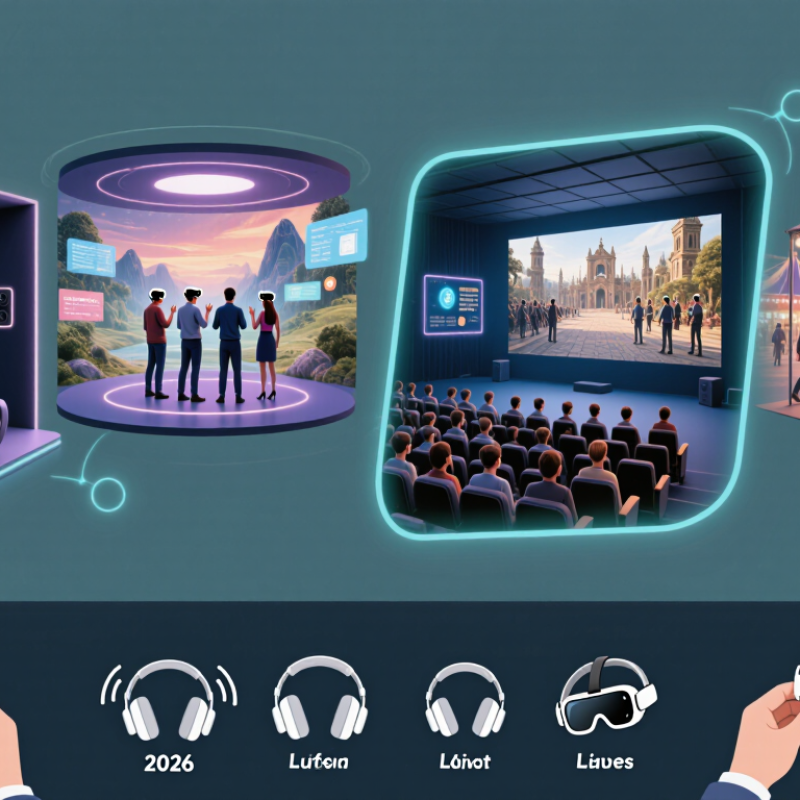
Headset-based VR cinemas give each visitor a private screen and personal sound field. The experience feels closer to sitting inside a scene than watching a flat display. A lightweight headset can show films, interactive documentaries, and panoramic stories with strong visual depth. Motion controllers are optional in many venues. Viewers can often remain seated, which supports longer sessions and reduces physical strain.
Good venues treat comfort as seriously as image quality. Staff should adjust the headset, explain controls, and check the viewer’s eyesight needs. Clean face cushions matter after every session. Brightness, sound levels, and seat spacing also deserve careful attention. Clear safety guidance is essential, especially for people sensitive to motion or flashing images. Privacy settings should be explained before personal viewing data is collected.
The format is not perfect. A headset may feel warm, heavy, or isolating after thirty minutes. Some users may notice blur when the fit is slightly wrong. I have found that simple staff support often improves the experience more than advanced effects. The best individual VR cinemas offer adjustable seating, accessible menus, quiet rooms, and easy pause controls. They should also identify age guidance and content limitations clearly. I still question whether every film benefits from immersion. Some stories need distance, not constant visual intensity.