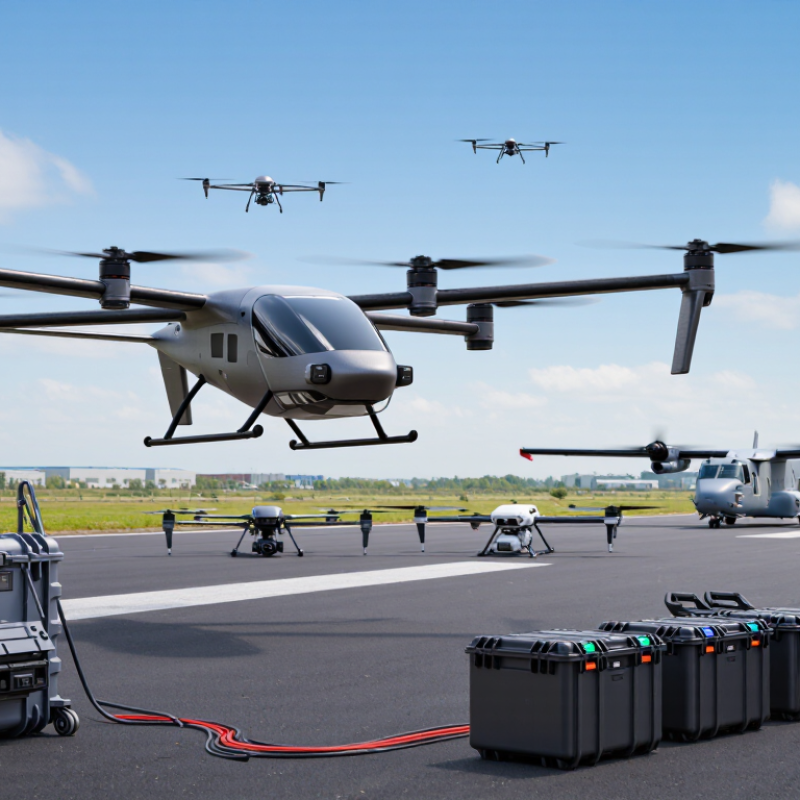
| Entry-Level VTOL Platform | Electric, 1–3 kg payload, 30–60 minutes endurance | Approximately US$3,000–US$12,000 | Uses compact motors, basic flight controls, and standard batteries. | Training, mapping, inspection, and small-area surveying |
| Professional VTOL Platform | Electric or hybrid, 3–10 kg payload, 1–4 hours endurance | Approximately US$15,000–US$60,000 | Requires stronger airframes, redundant systems, better navigation, and longer-lasting power systems. | Agricultural monitoring, infrastructure inspection, and land surveying |
| Industrial VTOL Platform | Hybrid-electric or fuel-powered, 10–30 kg payload, 4–10 hours endurance | Approximately US$70,000–US$250,000+ | Larger propulsion systems, specialized payload integration, and advanced safety features increase development and manufacturing costs. | Long-range inspection, logistics trials, emergency response, and industrial surveying |
| Maximum Takeoff Weight | Under 7 kg to more than 25 kg | Adds roughly 10%–40% to the base platform cost | Higher takeoff weight requires stronger structures, larger motors, larger batteries, and more capable landing gear. | Heavy sensor transport and commercial field operations |
| Payload Capacity | 0.5–30 kg, depending on airframe size | Adds approximately US$2,000–US$50,000+ | Payload capacity affects the airframe, propulsion, power reserve, vibration control, and mounting interfaces. | Cameras, thermal sensors, LiDAR, multispectral systems, and delivery equipment |
| Flight Endurance | 30 minutes to 10 hours | Adds approximately US$5,000–US$100,000+ | Longer endurance may require higher-density batteries, hybrid generators, fuel systems, or optimized aerodynamic design. | Large-area mapping, power-line inspection, and extended surveillance |
| Navigation and Autonomy | GNSS-assisted flight to obstacle avoidance and autonomous missions | Adds approximately US$1,000–US$30,000+ | Precision positioning, redundant sensors, onboard computing, and mission-planning software raise system complexity. | Automated surveying, route following, and operations in complex environments |
| Imaging and Sensor Package | RGB camera, thermal camera, multispectral sensor, or LiDAR | Adds approximately US$500–US$100,000+ | Sensor accuracy, resolution, stabilization, calibration, and data-processing requirements strongly affect the total system price. | Asset inspection, crop analysis, environmental surveys, and 3D modeling |
| Communications Range | 2–15 km typical line-of-sight range; extended links available | Adds approximately US$500–US$20,000+ | Long-range operations need stronger radio links, antennas, encryption, network connectivity, and redundancy. | Remote infrastructure, coastal monitoring, and wide-area operations |
| VTOL Configuration | Tilt-rotor, lift-and-cruise, tailsitter, or multi-rotor hybrid | Adds approximately 5%–35% over a basic fixed-wing design | Vertical takeoff systems require additional motors, controllers, structural components, and flight-control software. | Operations from confined or unprepared launch areas |
| Safety and Redundancy | Basic fail-safe functions to redundant power, navigation, and control systems | Adds approximately 10%–50% to system cost | Redundant components, emergency procedures, parachutes, and health monitoring improve reliability but increase hardware and testing costs. | Operations near people, buildings, and critical infrastructure |
| Support and Integration | Training, software, spare batteries, payload integration, and maintenance | Adds approximately US$2,000–US$50,000+ | Deployment often requires operator training, custom interfaces, field equipment, replacement parts, and data-processing tools. | Professional and recurring commercial missions |