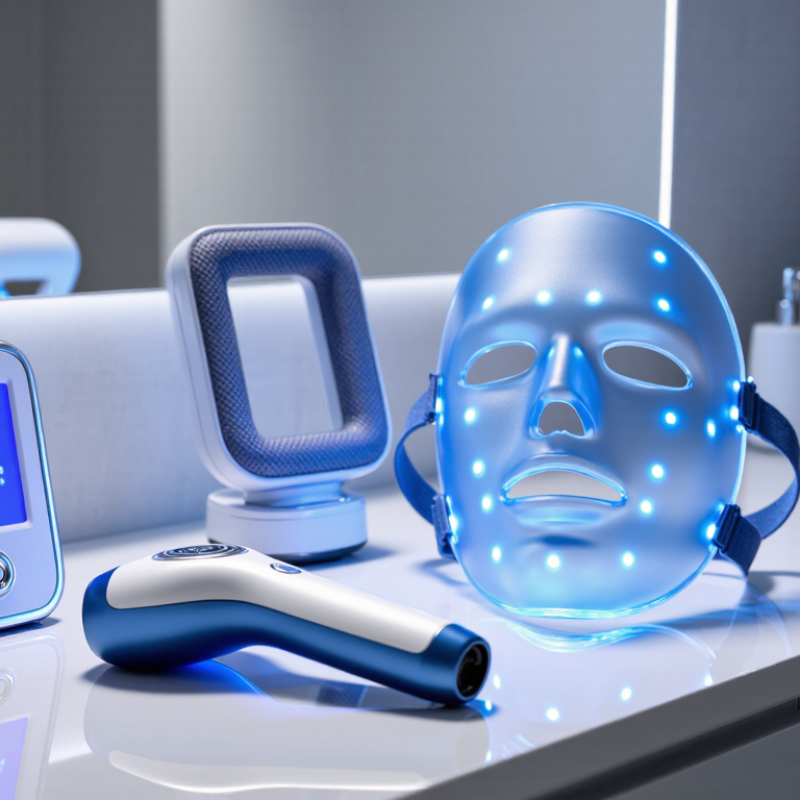
| At-home blue-light acne mask | Usually approximately 405–420 nm | Mild to moderate inflammatory acne | Published wavelength, treatment time, irradiance, eye-protection instructions, and regulatory clearance where applicable | Blue light may reduce acne-related bacteria and inflammation, but results vary and it does not replace treatment for severe, scarring, or cystic acne. | Follow the supplied schedule exactly. Stop if significant pain, blistering, persistent redness, visual symptoms, or worsening pigmentation occurs. |
| Handheld blue-light acne device | Commonly approximately 405–420 nm | Small, localized acne areas | Uniform skin coverage, automatic shutoff, treatment-distance guidance, and verified electrical safety information | Convenient for targeted areas, but inconsistent positioning can produce uneven exposure and less predictable results. | Do not hold the device closer or use it longer than directed. Avoid shining the light directly into the eyes. |
| Blue-and-red combination device | Blue light often around 405–420 nm; red light commonly around red-light therapeutic ranges | Acne support and general skin-care applications | Separate specifications for each wavelength, total exposure time, heat generation, and eye-safety instructions | Combination devices may be marketed for broader benefits, but evidence depends on the exact condition, wavelength, dose, and treatment schedule. | Check for heat, dryness, irritation, and photosensitivity. Do not assume that adding more light improves results. |
| Clinic photodynamic-therapy light | Often uses blue light near 400–450 nm after application of a prescribed photosensitizing agent | Selected dermatological conditions, including certain acne or precancerous-skin protocols | Qualified medical supervision, correct photosensitizer, treatment protocol, and post-treatment instructions | This is not equivalent to an ordinary home acne lamp. Treatment selection and dosing should be made by a qualified clinician. | Temporary pain, redness, swelling, crusting, and marked light sensitivity can occur. Strict light-avoidance instructions may be required after treatment. |
| Blue-light device marketed for nail fungus | Frequently marketed around 405 nm, but specifications vary | Supportive treatment claims for fungal nail infection | A confirmed diagnosis, clinical evidence for the exact device, and medical advice for thick or extensive infection | Evidence is less established than for standard medical treatments, and similar nail changes can have non-fungal causes. | People with diabetes, poor circulation, reduced sensation, or immune problems should seek medical advice before self-treatment. |
| General-purpose blue-light wellness lamp | May emit visible blue light, but wavelength and intensity vary widely | General illumination or wellness claims | Whether the device is intended for skin treatment, eye exposure, or room lighting; measurable output and user instructions | A lighting product should not be assumed to provide a clinically effective skin-treatment dose. | Avoid prolonged close-range viewing, especially at night. Use only for the purpose and exposure distance specified by the manufacturer. |