| Direct Thermal Paper | A heat-sensitive coating turns dark when heated by the printer’s thermal printhead. No ink ribbon is required. | Coated paper | Short to medium term; often suitable for temporary identification and routine shipping labels. | Limited resistance to heat, sunlight, abrasion, oils, plasticizers, and some chemicals. | Shipping, receipts, queue tickets, retail price labels, and short-term logistics. | Simple operation, low media cost, and no ribbon waste. | The printed image can fade, darken, or become unreadable under unsuitable storage or handling conditions. |
| Direct Thermal Synthetic | A thermal-sensitive topcoat on a synthetic film forms the image directly from printhead heat. | Polypropylene, polyester, or other synthetic film with a thermal coating | Short to medium term, depending on the coating and environmental exposure. | Better tear and moisture resistance than paper; image remains sensitive to heat, UV exposure, and abrasion. | Freezer labels, outdoor shipping, food handling, laboratory identification, and applications requiring flexible moisture resistance. | More durable label construction without using a ribbon. | Not ideal when long-term image permanence or frequent exposure to heat and sunlight is required. |
| Thermal Transfer Paper | The printhead heats a coated ribbon, transferring ink onto the label surface. The label itself is not heat-sensitive. | Uncoated or coated paper | Medium to long term under suitable storage and handling conditions. | Generally better image stability than direct thermal paper; resistance depends on the ribbon and paper coating. | Product labels, inventory tags, carton labels, shelf labels, and general-purpose identification. | Good print quality, broad material choices, and improved resistance to environmental exposure. | Requires a compatible ribbon, creating additional material cost and waste. |
| Thermal Transfer Polypropylene | A ribbon transfers a durable image onto a flexible polypropylene film label. | Polypropylene film | Medium to long term, depending on ribbon type and exposure conditions. | Good moisture resistance, tear resistance, and moderate chemical resistance. | Bottles, household products, refrigerated goods, cosmetics, and durable product identification. | Flexible, water-resistant, and more durable than paper labels. | May curl or lose adhesion if the adhesive and application surface are poorly matched. |
| Thermal Transfer Polyester | A thermal printhead transfers resin- or wax-resin-based ink from a ribbon onto a polyester film. | Polyester film | Long term when the label, ribbon, adhesive, and environment are properly matched. | Excellent tear resistance and strong resistance to moisture, abrasion, chemicals, and temperature variation. | Asset tags, electrical panels, laboratory equipment, industrial containers, and compliance identification. | High durability and stable readability in demanding environments. | Higher overall media cost and more careful printer, ribbon, and surface selection. |
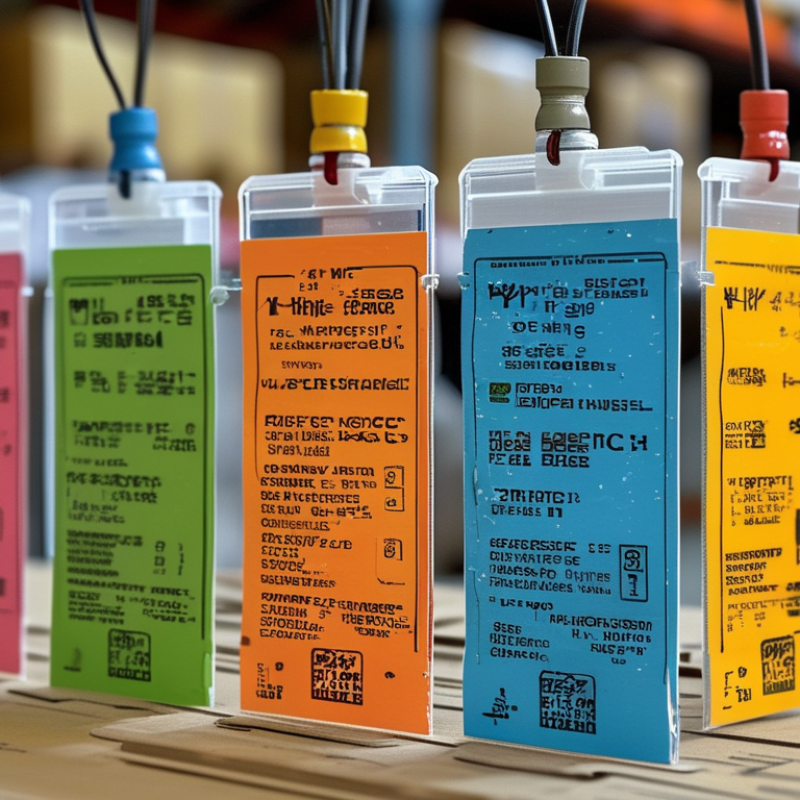
| Colored Thermal Labels | The label stock provides a pre-colored background; printing is usually performed by direct thermal or thermal transfer methods. | Colored paper or synthetic film | Determined primarily by the printing method and face material. | Varies by paper or film construction; synthetic versions generally provide better moisture and tear resistance. | Warehouse organization, hazard communication, document routing, and visual product classification. | Improves visual sorting and makes categories easier to identify quickly. | Color consistency and barcode contrast must be checked before large-scale use. |