Global buyers increasingly evaluate compressor air ends through energy use, reliability, serviceability, and lifecycle cost. rotorcomp air ends attract attention because their compact screw technology supports efficient compression across manufacturing, construction, and process applications. Yet performance depends on more than the air end itself. Motor selection, oil quality, cooling conditions, controls, and maintenance can change the final result.
The U.S. Department of Energy reports that compressed-air systems may waste 20% to 30% of their output through leaks, poor controls, and unsuitable practices. Its Improving Compressed Air System Performance guide also identifies system audits as a practical route to measurable savings. The International Energy Agency’s Energy Efficiency 2023 report highlights industrial motor systems as a major electricity-saving opportunity. These findings make rotorcomp air ends relevant for buyers seeking lower operating costs, not merely attractive purchase prices.
Ron Marshall, a recognized compressed-air systems specialist, has stated, “Compressed air is one of the most expensive utilities in a plant.” That warning deserves attention. A technically sound air end can still underperform inside a poorly designed system. Small details matter: a blocked separator, a hot machine room, or a neglected inlet filter can quietly increase energy consumption. The choice is not perfect.
Global purchasers should therefore compare verified performance data, replacement-part availability, local technical support, and maintenance records. Manufacturer claims need independent review. Application conditions also need honest measurement. This article examines why rotorcomp air ends remain a practical option for international buyers, while acknowledging a less comfortable truth: efficiency promises mean little without disciplined installation and continuous monitoring.
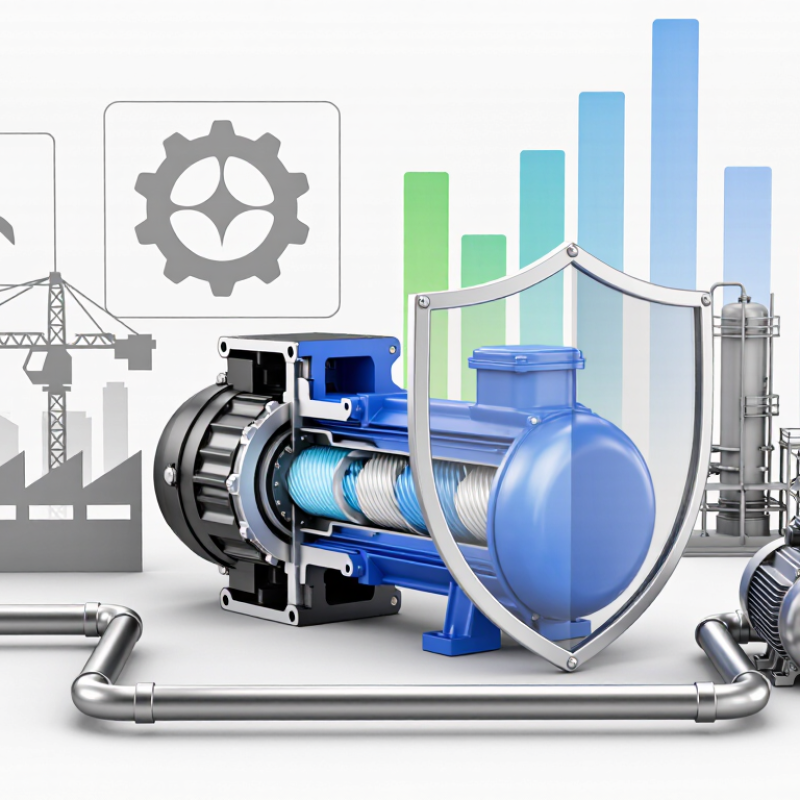
An air end is the compression core inside a rotary screw air compressor. It uses matched rotors to trap air, reduce its volume, and deliver a steady flow. Unlike piston systems, it produces fewer pressure pulses during continuous operation. This makes it suitable for factories, workshops, and mobile equipment.
The design depends on rotor profiles, housing accuracy, bearings, seals, and controlled oil injection. Rotor profiles guide air through several compression stages inside a compact chamber. Oil can reduce friction, remove heat, and improve internal sealing. However, oil quality and filtration must match the manufacturer’s specifications. Small errors here can shorten service life.
Global buyers should examine pressure range, airflow, drive compatibility, cooling method, and replacement support. A reliable air end should maintain stable output under changing loads. Ask for test data, material details, and clear maintenance intervals. In real installations, alignment matters more than many buyers expect. Poor alignment can create vibration, noise, and uneven bearing wear.
No air end is perfect. A design that performs well in a dry workshop may struggle in humid coastal conditions. Temperature, dust, voltage stability, and technician skill all influence results. Reviewing these details before purchase helps prevent expensive surprises. Sometimes, a slightly larger unit offers better operating stability than the cheapest option.