| Primary purpose | Increases abdominal pressure and provides external feedback around the torso | May help lifters brace more effectively during heavy compound movements | Use the belt as a bracing aid, not as a substitute for sound lifting technique |
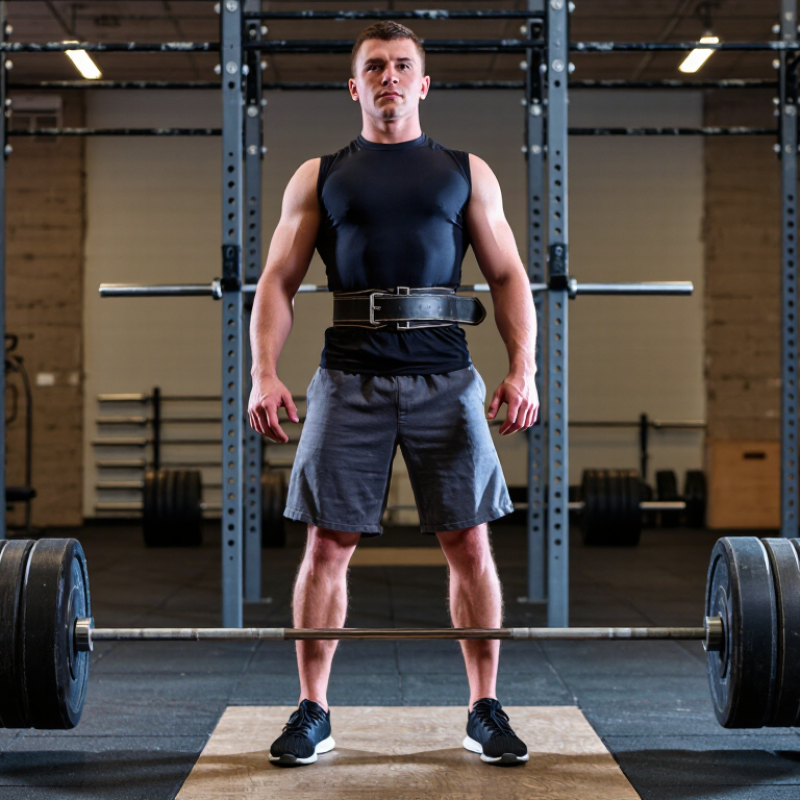
| Best exercise applications | Squats, deadlifts, presses, and other movements involving substantial trunk bracing | These exercises commonly place high demands on torso stability | Consider wearing it mainly for heavier working sets rather than every warm-up set |
| Common belt widths | Approximately 10 cm (4 in) for powerlifting-style use; narrower front sections are common on some general-purpose belts | Width affects torso coverage, comfort, and freedom of movement | Choose a width that supports your trunk without digging into the ribs or hips |
| Common thicknesses | About 6 mm, 10 mm, and 13 mm are commonly available | Thicker belts are generally stiffer, while thinner belts usually break in more quickly | Beginners often prefer a moderately firm belt that allows comfortable breathing and movement |
| Material options | Leather, nylon, and synthetic webbing are common materials | Material influences stiffness, flexibility, moisture resistance, and break-in time | Select leather for a rigid feel or nylon for lighter weight and greater flexibility |
| Fastening systems | Prong, lever, and hook-and-loop closures are widely used | The closure affects adjustability, setup speed, and how securely the belt stays in place | Choose a system that can be tightened securely without restricting normal breathing |
| How to measure | Measure around the area where the belt will sit, using a flexible tape measure | Waist size on clothing labels may not match the correct lifting-belt measurement | Use the manufacturer’s size chart and keep the tape snug without compressing the abdomen |
| Correct positioning | Usually worn around the trunk, commonly near the navel or slightly higher or lower according to the exercise | Position changes hip movement, rib comfort, and the ability to brace | Test the position with an unloaded movement before lifting heavily |
| Tightness check | Firm contact is appropriate; the belt should not cause sharp pain, numbness, or impaired breathing | Excessive tightness can interfere with comfort and movement quality | Brace against the belt while keeping controlled nasal or normal breathing between repetitions |
| Warm-up use | Often unnecessary for light warm-up sets | Warm-ups help develop movement skill and prepare the body without relying on maximum external support | Warm up progressively and introduce the belt when load or effort becomes substantial |
| Cleaning routine | Wipe sweat away after use and allow the belt to dry fully before storage | Moisture and trapped sweat can contribute to odor, material deterioration, or corrosion of hardware | Use a damp cloth for most surfaces; follow the care instructions for leather or synthetic materials |
| Storage conditions | Cool, dry, ventilated location away from direct heat and prolonged sunlight | Heat and humidity may accelerate cracking, stretching, odor, or hardware damage | Store the belt flat or loosely rolled without placing heavy objects on top of it |
| Replacement indicators | Deep cracks, torn stitching, bent hardware, stretched holes, or a closure that no longer holds | Structural damage can reduce stability and increase the risk of belt failure during a set | Stop using a visibly damaged belt and replace it before heavy training |