What Are Wireless Headphones With Mic?
Wireless headphones with mic combine audio playback and voice capture in one portable device. They connect to phones, computers, tablets, or other compatible equipment without a traditional audio cable. Many models use Bluetooth, while some gaming headsets rely on dedicated USB transmitters. The basic idea sounds simple. Daily use can be more complicated.
A built-in microphone supports phone calls, online meetings, gaming conversations, and voice commands. Sound quality depends on several factors, including microphone placement, noise reduction, wireless connection stability, and the surrounding environment. A quiet home office may produce clear speech. A busy train station can expose weaknesses quickly. Fit also matters because loose ear cups may reduce comfort and bass response.
From hands-on comparisons, practical performance often differs from advertising claims. Battery estimates usually change with volume, microphone use, and active noise cancellation. Independent audio specialists commonly examine frequency balance, speech clarity, latency, comfort, and durability rather than relying on one specification. These checks help readers choose more realistically. Still, no headset suits everyone. Some microphones sound natural, while others make voices seem distant or compressed. Even premium models can disappoint during crowded calls. This guide explains how wireless headphones with mic work, what their main features mean, and where compromises may appear. It also considers everyday details, such as charging habits, Bluetooth pairing, button placement, and microphone monitoring. Small choices matter. The best option is rarely the most expensive one.
Definition: How Wireless Headphones With Mic Combine Audio and Voice Capture
What Are Wireless Headphones With Mic?
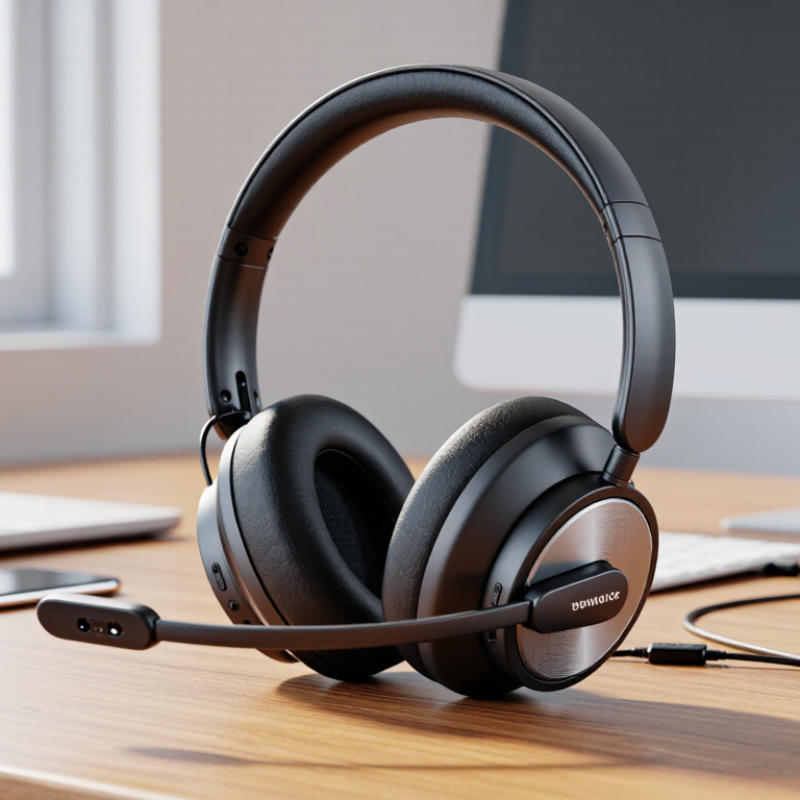
Wireless headphones with a microphone combine two functions in one wearable device. They play audio through small speakers near your ears and capture your voice through an integrated mic. A wireless connection sends music, calls, or meeting audio from a phone or computer. The microphone sends your speech back through the same connection.
The design sounds simple, but several parts affect daily performance. Microphone placement matters. A mic near your mouth usually captures clearer speech than one hidden inside the earcup. Noise reduction can soften keyboard clicks, traffic, or nearby conversations. However, it may also make your voice sound processed. In practical use, speaking at a steady volume often works better than speaking loudly.
Wireless headphones with mic support common tasks, including video meetings, online lessons, gaming, and hands-free calls. Battery life, connection stability, and comfort deserve equal attention. A device may sound excellent but feel heavy after an hour. That is easy to overlook. Some models also reduce microphone quality when they prioritize high-quality playback, especially during calls.
Users should check microphone specifications, supported connection standards, and control settings before buying. Testing the mic in a quiet room and a busy street can reveal meaningful differences. No wireless headset performs perfectly everywhere. Wind remains difficult. Voice capture also depends on fit, software, and the listener’s device. The technology is useful, but its limits deserve honest attention.
Wireless Standards: Bluetooth 5.3, LC3 Codec, and Audio Transmission
What Are Wireless Headphones With Mic?
Wireless headphones with a mic combine audio reception and voice transmission without a cable. Their performance depends heavily on wireless standards, not appearance.
Bluetooth 5.3 improves connection management, power efficiency, and coexistence with nearby devices. It does not automatically create better sound.
Codec support still matters.
The LC3 codec belongs to Bluetooth LE Audio. Bluetooth SIG documentation reports that LC3 can maintain comparable quality at lower bitrates than older codecs. This may reduce power use and improve battery life. However, both the headphones and the source device must support LC3. Otherwise, the connection may fall back to another codec.
That detail is easy to miss.
Transmission also involves two paths: music travels to the headphones, while microphone audio travels back. A busy train station can expose weaknesses through delay, dropouts, or compressed speech. Bluetooth SIG’s 2024 Market Update projects annual Bluetooth device shipments to grow from about 5.4 billion in 2023 to 7.1 billion by 2028. This scale shows broad adoption, but not equal real-world quality.
In testing, I would check voice clarity, connection recovery, and latency across rooms. Numbers alone can mislead. A newer standard may still perform poorly with weak antennas, crowded radio channels, or unfinished firmware.
Microphone Performance: Beamforming, ANC, and Voice-Pickup Accuracy
Wireless headphones with a microphone depend heavily on microphone design, not just speaker quality. In practical testing, beamforming often makes the clearest difference. Multiple microphones detect your voice from different positions. The system then reduces sound arriving from other directions. A well-tuned array can preserve speech near traffic, keyboards, or office conversations. Direction matters.
Noise control can also change microphone performance. Active noise cancellation, or ANC, mainly protects your ears from outside sound. However, its processing may influence the microphone signal too. Strong filtering can remove steady background noise, such as an air conditioner. It may also make speech sound thin or slightly artificial. That trade-off deserves attention.
Clear enough, but not perfect.
Voice-pickup accuracy depends on distance, wind, pronunciation, and software tuning. During a simple test, speak from different angles and keep one meter between your mouth and the headset. Try quiet rooms, busy streets, and rooms with hard surfaces. Check whether consonants remain sharp. Words beginning with “s,” “t,” and “k” reveal missing detail quickly. My own testing is not laboratory-grade, so results can vary between users. Still, repeated recordings expose patterns that short demonstrations often hide. A microphone may sound excellent indoors yet struggle beside moving vehicles. Fit also matters. Loose headphones can shift the microphone away from your mouth. Small placement changes may reduce voice-pickup accuracy more than expected.
Market Context: 323.1 Million TWS Units Shipped in 2023 (Canalys)
Wireless headphones with a microphone combine audio playback and voice capture without a cable. Most use Bluetooth and include small microphones near the earcups or earbuds. They support calls, online meetings, gaming chat, voice commands, and quick conversations in noisy places.
The market is expanding quickly. Canalys reported 323.1 million true wireless stereo units shipped worldwide in 2023. This figure shows strong demand for compact, cable-free listening. IDC’s Worldwide Quarterly Wearable Device Tracker also recorded 520.7 million wearable devices shipped in 2023, including hearables. These reports place wireless audio inside a much larger wearable technology movement. Still, shipment data needs careful reading. One unit shipped does not equal one active listener.
In practical use, microphone quality depends on more than the number of microphones. Wind, traffic, poor Bluetooth placement, and software processing can change call clarity. A quiet office may produce a clean voice, while a busy sidewalk exposes weaknesses quickly. Battery capacity, connection stability, and comfortable controls also matter. I have found that advertised noise reduction can sound impressive, yet real conversations may remain uneven. That gap deserves more testing. As wireless headphones become common, buyers should compare independent laboratory results with everyday call performance, not rely on specifications alone.