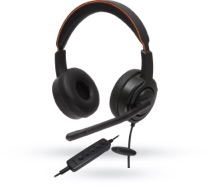
Top 10 Types of Business Headsets for Work in 2026

Choosing a business headset in 2026 is less about finding one universal winner and more about matching equipment to the work. A support agent handling calls all day may need a different microphone and wearing style than a manager joining occasional video meetings. Desk setup matters, too. A USB headset can offer a straightforward connection, while wireless Bluetooth or DECT models provide more movement, subject to device compatibility and office conditions.

This guide introduces ten types of business headsets, from wired and wireless designs to mono, stereo, and noise-cancelling options. It considers practical details buyers can check: microphone clarity, comfort over a full shift, connection type, battery expectations, and compatibility with computers or meeting platforms. Small details count. A headset that sounds impressive in a product description may feel heavy after three hours, or its controls may be awkward during a busy call. That part is easy to overlook.

No category suits every workplace. Open offices, home desks, shared call centres, and hybrid schedules each create different demands. Even careful comparisons can give too much weight to specifications and too little to daily comfort; real fit varies between users. Treat this overview as a starting point, then confirm current product features with the manufacturer and test fit where possible. The aim is a business headset that supports clear conversations without adding friction to the working day.

Top 10 Types of Business Headsets for Work in 2026

Business Headsets in 2026: Scope, Users, and Core Classification

Top 10 Types of Business Headsets for Work in 2026

Business Headsets in 2026: Scope, Users, and Core Classification

A business headset is an audio tool for calls, meetings, and focused work. In 2026, the category spans wired USB, wireless Bluetooth, and office-focused DECT models. It also includes mono and stereo designs, noise-reducing microphones, and headsets with active noise cancellation. These labels describe different features, not ten separate, exclusive groups.

Users have different needs. A support agent may wear a lightweight mono headset for hours and need a microphone that limits nearby conversation. A hybrid worker might prefer Bluetooth for laptop and phone switching. In a busy shared office, closed-back earcups can reduce distractions; at home, comfort over a full workday may matter more. Small details count. Check clamp pressure, mute controls, connection range, and whether the headset works with the devices used daily.

A practical classification starts with connection type, wearing style, and sound-control features. Then consider the work setting and call volume. A wired model avoids charging, while wireless options allow movement between desk and meeting room. Noise cancellation can help, but it does not replace a clear microphone or a quiet space. Categories overlap. That makes comparison less tidy than it looks, and product descriptions do not always explain real-world comfort well. Try a headset during a typical work task when possible, rather than choosing by feature list alone.

Top 10 Business Headset Types by Fit, Connectivity, and Work Setting

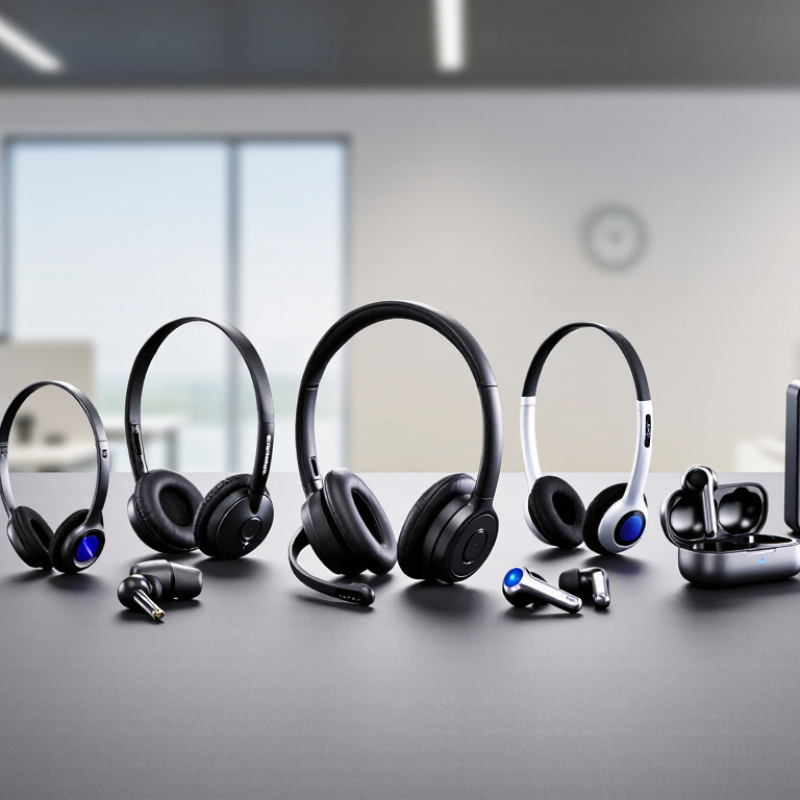
Business headset choice depends on fit, connection, and where calls happen. A wired USB over-ear headset suits a fixed desk and avoids battery checks. Bluetooth over-ear models allow movement between a desk and meeting room, though pairing can occasionally be awkward. DECT over-ear headsets often suit busy offices where staff need a dedicated wireless base. On-ear models feel lighter, but may press against glasses during long calls. Small details matter.

Monoaural headsets leave one ear open for nearby conversations. Binaural models cover both ears, helping users focus in shared spaces. Convertible headsets offer different wearing styles, useful when a team shares equipment or changes tasks. Wired earbuds are compact for laptop calls on the move. Wireless earbuds add freedom, but their small controls can be fiddly during a fast-paced meeting. Not always.

Open-ear headsets keep the ear canal uncovered, which can help users stay aware of their surroundings. These ten types are not strict categories; one headset may combine wireless connectivity with noise reduction or multiple fit options. Check microphone clarity in the actual work environment, not only in a quiet showroom. Comfort is personal, and specifications rarely reveal pressure after three hours. Try the fit with glasses, and check connection compatibility before ordering.

Compare Audio Features with Bluetooth SIG’s 7.5B Device Shipments Forecast for 2028

Bluetooth SIG’s forecast of 7.5 billion Bluetooth device shipments in 2028 points to a more connected workplace. It does not mean 7.5 billion headsets. The figure covers Bluetooth devices broadly, so headset buyers should treat it as context, not a sales forecast. Still, more connected laptops, phones, and meeting-room systems make reliable pairing and multi-device switching worth comparing.

For calls at a fixed desk, wired USB and DECT headsets can offer steady connections; DECT models often suit longer office ranges. Bluetooth mono headsets keep one ear open, while stereo models can make voices easier to follow in noisy rooms. Active noise cancellation helps reduce low-frequency hum, but microphone noise reduction matters more when colleagues hear keyboard clicks. Open-ear designs preserve awareness, though they may leak sound into shared spaces. Small details count.

Battery life, mute controls, comfort, and compatibility deserve a place beside sound quality. A headset that pairs quickly with both a phone and computer may save time during a busy day. Yet Bluetooth performance depends on device support and room conditions; crowded wireless spaces can still cause dropouts. That part is easy to overlook. Compare the ten headset types by the work they support, then test fit and call clarity with your own devices before choosing.

Top 10 Types of Business Headsets for Work in 2026 - Compare Audio Features with Bluetooth SIG’s 7.5B Device Shipments Forecast for 2028

The Bluetooth SIG forecast cited in the title concerns Bluetooth device shipments overall, not headset shipments. Headset features vary by model; the comparisons below describe common design characteristics rather than guaranteed specifications.

Headset type Typical design Connection Common audio features Noise handling Often suited to Main consideration
1. Monaural office headset One ear covered or fitted with an earpiece Wired or wireless, depending on model Voice-focused playback; commonly includes a boom microphone Usually leaves one ear open to surrounding sound; mic noise reduction varies Phone work and roles requiring awareness of nearby conversation Less immersive for music or calls with substantial background noise
2. Binaural office headset Covers or fits both ears, often with a boom microphone Wired or wireless Stereo playback is common; microphone features vary Passive isolation depends on earcup or eartip fit; electronic noise reduction is model-dependent Busy offices, calls, and focused desk work Can make it harder to hear nearby people or announcements
3. Over-ear headset Cushioned cups surround the ears Wired or wireless Typically larger drivers; stereo sound and boom mics are common on work models Earcups can provide passive isolation; active noise cancellation is optional Long desk sessions and environments where passive isolation is useful Bulkier and warmer than many on-ear or in-ear designs
4. On-ear headset Smaller earcups rest on the ears Wired or wireless Stereo playback is common; microphone quality and controls vary Usually provides less physical isolation than a well-sealed over-ear design Users seeking a smaller alternative to over-ear cups Ear pressure and comfort depend on fit and wearing time
5. True wireless earbuds Two independent, cable-free in-ear pieces; charging case is typical Bluetooth is common Compact microphones and touch or button controls are common; call performance varies with fit and design A sealed fit can reduce some external sound; active noise cancellation is optional Mobile work, commuting, and carrying a compact headset Requires charging; fit and microphone pickup can vary considerably
6. Bluetooth boom-microphone headset Often an over-ear or on-ear headset with a microphone positioned near the mouth Bluetooth; supported profiles and device compatibility vary Hands-free calling; some models support multipoint connections or call controls Boom placement can help voice pickup; background-noise processing varies by model Calls across compatible computers and mobile devices Wireless performance, latency, and features depend on the headset and connected device
7. DECT wireless office headset Typically uses a dedicated wireless base or adapter DECT radio link; connection to computers or phones depends on the base and system Designed for wireless voice use; call controls and compatibility vary A dedicated radio link can avoid relying on a Bluetooth connection; local radio conditions still matter Desk-based phone work where a dedicated headset system is preferred Requires compatible base equipment; availability and permitted bands vary by region
8. USB wired headset Headset connects directly by USB cable USB-A or USB-C, depending on model and host device Digital audio; inline mute and volume controls are common on some models No wireless radio link; microphone noise processing and earcup isolation vary Computer calls and workplaces that favor a direct wired connection Cable limits movement; confirm connector and operating-system compatibility
9. Active-noise-cancelling headset Can be over-ear, on-ear, or in-ear Wired or wireless; Bluetooth is common in wireless models Uses microphones and electronic processing to reduce some ambient sound; call mic is a separate consideration ANC is generally more effective against steady, low-frequency noise than sudden or irregular sounds Travel, shared workspaces, and noisy environments ANC does not guarantee clear outgoing voice audio; battery use and comfort matter
10. Open-ear headset Sits outside or around the ear without sealing the ear canal Bluetooth is common; some designs use a neckband or ear hooks Audio is delivered while the ear remains open; microphone and sound leakage vary by design Allows more awareness of surrounding sound; provides little passive isolation Work that requires hearing colleagues or environmental sounds Less suitable for privacy or loud settings; nearby people may hear some playback

Assess Listening Safety Against NIOSH’s 85 dBA Limit Over 8 Hours

For a business headset, 85 dBA is not a recommended volume setting. It is the NIOSH recommended exposure limit averaged across an eight-hour workday. The sound reaching your ears matters, not the number shown on a computer’s volume bar. That level can be difficult to estimate without suitable equipment. Phone apps may offer clues, but they are not a precise substitute for calibrated measurement. Small changes matter. Under NIOSH’s 3 dB exchange rule, 88 dBA corresponds to about four hours of exposure, while 91 dBA corresponds to about two.

Listening safety also depends on the whole shift. Add headset use to nearby conversations, office equipment, and other noise rather than judging each call alone. Choose a headset with clear speech at a comfortable, modest setting; turning it up to overcome a noisy room may undermine that choice. A volume limiter can help, but it does not account for every sound source or fit. Take quiet breaks when practical, and reassess settings after changing devices or workspaces. There is a catch: comfort can be misleading, since a sound may feel manageable while exposure accumulates. For persistent noise concerns, ask a qualified safety professional to assess actual listening levels.

Top 10 Types of Business Headsets for Work in 2026 — Assess Listening Safety Against NIOSH’s 85 dBA Limit Over 8 Hours

NIOSH-recommended maximum daily exposure duration by average sound level, using its 3 dB exchange rate.

The bars show exposure durations calculated from NIOSH’s recommended exposure limit of 85 dBA for 8 hours—not measured headset outputs. Headset type alone does not determine listening level; actual exposure depends on the device, fit, content, volume, and surrounding noise. Levels above 85 dBA require shorter exposure to stay within the recommended limit.

Choose a Headset by Platform Compatibility, Comfort, and Total Cost of Ownership

A business headset should fit the way your team works, not just the device on its desk. Check compatibility with computers, desk phones, and meeting platforms before comparing prices. USB models suit fixed workstations; Bluetooth options help people move between calls and shared spaces. DECT headsets can offer a wider roaming range, while wired models avoid charging interruptions. Some features may work only with specific systems, so verify call controls and microphone settings during a real test call.

Comfort becomes obvious after a long shift. Look for adjustable headbands, soft ear cushions, and a weight that feels balanced after an hour, not just a minute. Small details matter. Ask staff to try on-ear and over-ear designs, especially if they wear glasses. Then estimate total cost of ownership: include replacement cushions, batteries, charging accessories, support, and time lost to setup or connection problems. A low purchase price can be misleading. Still, detailed cost forecasts are imperfect; usage varies, and teams often overlook small replacement parts. Record actual support issues and repair needs for a few months, then revisit the choice against platform compatibility and daily comfort.

Our offices

Axtel Poland (HQ)
Mokotów Box 16 Woloska St
02-675 Warsaw Poland

tel. (+48 22) 490 96 00
fax: (+48 22) 540 15 22
sale@officeveigl.com

Axtel Middle East & Asia
G-026, THUB 2
Dubai Silicon Oasis
Dubai United Arab Emirates

tel. +971 50 5540 902
sale@officeveigl.com

Axtel India Private Limited
Unit # S-2, Srinivasa Apartments,
16, 1st Cross, Doctors Layout, Kasturinagar,
Bengaluru, Karnataka, India

tel. +91 96865 46376
sale@officeveigl.com

Axtel Benelux
Microlab Kastanjelaan 400
5616 LZ Eindhoven The Netherlands

+31 629 796 453
sale@officeveigl.com